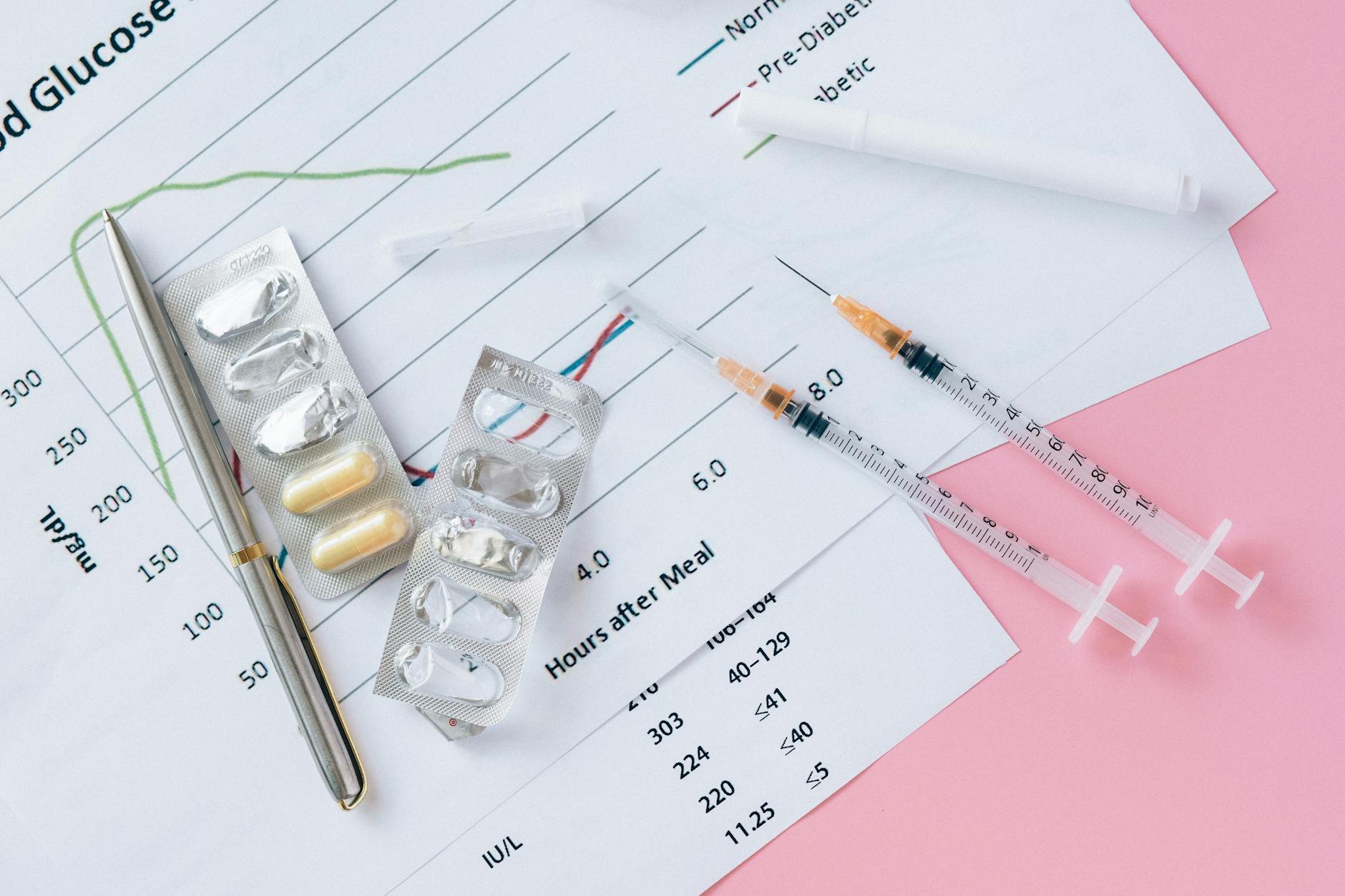
Persistently high blood glucose damages every organ system. Learn to recognize the subtle and overt symptoms of uncontrolled diabetes, understand the underlying mechanisms, and know exactly when to seek emergency care.
- What Does “Uncontrolled Diabetes” Actually Mean?
- Early Warning Signs: What Your Body Is Telling You
- The Classic “Three Ps” and Other Common Symptoms
- Long‑Term Complications: Signs That Develop Over Months and Years
- Acute Emergencies: Signs That Require Immediate Medical Attention
- How Uncontrolled Diabetes Is Diagnosed – Key Tests and Thresholds
- Common Myths About Uncontrolled Diabetes
- Next Steps: How to Regain Control of Your Blood Sugar
- When to See a Doctor
- Frequently Asked Questions
What Does “Uncontrolled Diabetes” Actually Mean?
Uncontrolled diabetes is defined as a persistent state in which blood glucose levels remain above the targets recommended by the American Diabetes Association (ADA). For most nonpregnant adults with type 2 diabetes, the goal is an A1C below 7% (53 mmol/mol), a fasting glucose between 80 and 130 mg/dL, and a post‑meal glucose below 180 mg/dL. When readings consistently exceed these thresholds, the condition is considered uncontrolled.
Uncontrolled diabetes can occur in both type 1 and type 2 diabetes. It results from inadequate insulin production, impaired insulin sensitivity, medication non‑adherence, dietary indiscretion, illness, or a combination of factors. According to the Centers for Disease Control and Prevention (CDC), about 8.5 million adults in the United States have undiagnosed diabetes, and many of those with a diagnosis have suboptimal glucose control.
The consequences of sustained hyperglycemia are broad. Blood vessels — both micro‑ and macrovascular — become damaged, leading to retinopathy, nephropathy, neuropathy, and accelerated cardiovascular disease. Recognizing the signs of uncontrolled diabetes early allows for intervention that can prevent irreversible complications.
The ADA defines uncontrolled diabetes as an A1C ≥8% (64 mmol/mol). However, even A1C values between 7% and 8% signal suboptimal control for many patients and increase the risk of microvascular complications. Individualized targets depend on age, comorbidities, and hypoglycemia risk.
Early Warning Signs: What Your Body Is Telling You
The earliest signs of uncontrolled diabetes are often dismissed as benign annoyances. Yet these symptoms reflect the body’s attempt to compensate for excess glucose in the blood. Below are the most common early indicators, based on clinical presentation and patient reports.
Why do these early signs occur?
When blood glucose rises above the renal threshold (approximately 180 mg/dL), the kidneys begin to spill glucose into the urine (glucosuria), drawing water with it (osmotic diuresis). This leads to increased urination and thirst. Chronic hyperglycemia also impairs immune function, slows wound healing, and alters nerve function.
- Frequent urination (polyuria) — waking up multiple times at night to urinate.
- Excessive thirst (polydipsia) — a dry mouth that is unrelieved by drinking.
- Unexplained weight loss — despite normal or increased food intake, especially in type 1 diabetes.
- Fatigue and weakness — cells cannot use glucose for energy, leading to tiredness.
- Blurred vision — glucose‑induced osmotic changes in the lens cause temporary focusing problems.
- Slow‑healing cuts or bruises — poor circulation and impaired immune function.
- Recurrent infections — yeast infections (candida), urinary tract infections, skin infections.
- Tingling or numbness in hands or feet — early peripheral neuropathy.
These signs can also occur in undiagnosed diabetes. A person can have type 2 diabetes for years without symptoms. The CDC estimates that 1 in 5 adults with diabetes do not know they have it. Routine screening is essential, especially for those aged ≥35 with risk factors.
The Classic “Three Ps” and Other Common Symptoms
The triad of polyuria, polydipsia, and polyphagia (excessive hunger) is a classic presentation of uncontrolled diabetes, particularly in type 1 diabetes or advanced type 2. Each “P” has a distinct physiological driver.
Polyuria — frequent, large-volume urination
When blood glucose exceeds ~180 mg/dL, the kidneys cannot reabsorb all the filtered glucose. The glucose acts as an osmotic agent, drawing water into the urine. A person may produce 3–4 liters of urine per day (normal is 1–2 liters). Nighttime urination (nocturia) is especially common and disruptive.
Polydipsia — unquenchable thirst
The body loses fluid through polyuria, triggering the hypothalamus to stimulate thirst. The sensation persists despite drinking large amounts, because the underlying driver — hyperglycemia — continues. A person may drink 4–5 liters of fluid per day and still feel thirsty.
Polyphagia — excessive hunger despite eating
Without enough insulin activity, glucose cannot enter cells. The cells sense a starved state and signal hunger, even though blood sugar is high. The patient may experience intense cravings, especially for carbohydrates. Paradoxically, weight loss can occur because the body breaks down fat and muscle for energy.
Other common symptoms include dry or itchy skin (due to dehydration), gum disease (periodontitis is more prevalent and severe with poor glucose control), and erectile dysfunction in men (vascular and neuropathic damage).
Long‑Term Complications: Signs That Develop Over Months and Years
Chronic uncontrolled diabetes damages small and large blood vessels. These complications often emerge silently and progress before symptoms become noticeable. Recognizing them early is critical.
- Retinopathy: blurred vision, floaters, vision loss
- Nephropathy: foamy urine (proteinuria), swelling (edema), fatigue
- Neuropathy: numbness, burning, loss of sensation in feet → foot ulcers
- Coronary artery disease: chest pain, shortness of breath, silent MI
- Stroke: sudden weakness, speech difficulty, facial droop
- Peripheral artery disease: leg pain with walking (claudication), non‑healing wounds
The ADA Standards of Care (2025) recommend that all adults with diabetes undergo yearly dilated eye exams, urine albumin‑to‑creatinine ratio testing, and comprehensive foot exams. Any of the following signs should prompt immediate evaluation:
- Decreased or patchy vision (diabetic macular edema or proliferative retinopathy)
- Swelling in the ankles, legs, or around the eyes (signs of kidney impairment)
- Loss of protective sensation in the feet — unable to feel a monofilament or vibration
- Changes in foot color, temperature, or development of calluses/ulcers
- Chest discomfort, palpitations, or unusual shortness of breath
Intensive glycemic control reduces the risk of microvascular complications by up to 60–70% in type 1 diabetes (DCCT trial) and 25–50% in type 2 (UKPDS). Blood pressure and lipid management are equally important.
Acute Emergencies: Signs That Require Immediate Medical Attention
Uncontrolled diabetes can suddenly spiral into life‑threatening metabolic emergencies. The two main hyperglycemic emergencies are diabetic ketoacidosis (DKA) and hyperosmolar hyperglycemic state (HHS). A third emergency — severe hypoglycemia — can also occur in those using insulin or sulfonylureas.
Go to the emergency department if you or someone with diabetes experiences: persistent vomiting, abdominal pain, deep rapid breathing, altered mental status, or blood glucose above 400 mg/dL accompanied by ketones in urine or blood. DKA can develop in hours; HHS over days. Both are fatal without treatment.
How Uncontrolled Diabetes Is Diagnosed – Key Tests and Thresholds
Recognizing the signs of uncontrolled diabetes is only the first step; objective testing confirms the diagnosis and quantifies severity. The ADA recommends the following tests:
| Test | Normal | Prediabetes | Diabetes (Uncontrolled) |
|---|---|---|---|
| Fasting Plasma Glucose | <100 mg/dL | 100–125 mg/dL | ≥126 mg/dL |
| A1C | <5.7% | 5.7–6.4% | ≥6.5% (uncontrolled if >7–8%) |
| 2‑Hour OGTT (75 g glucose) | <140 mg/dL | 140–199 mg/dL | ≥200 mg/dL |
| Random Plasma Glucose | — | — | ≥200 mg/dL + symptoms |
For patients already on treatment, “uncontrolled” is typically defined as A1C ≥8% (64 mmol/mol) or consistently elevated fasting/post‑prandial glucose readings. Self‑monitoring of blood glucose (SMBG) using a glucometer or continuous glucose monitoring (CGM) provides real‑time feedback.
For those on intensive insulin therapy (type 1 or type 2), the ADA recommends checking blood glucose at least 6–10 times per day. For non‑insulin therapies, testing at least twice daily (fasting and post‑meal) during periods of uncontrolled glucose can guide adjustments.
Common Myths About Uncontrolled Diabetes
Misinformation can delay treatment. Below are common myths, rated for accuracy.
Many people with type 2 diabetes have no symptoms for years. The DAWN study found that 50% of individuals with undiagnosed diabetes had no noticeable symptoms. Routine screening is essential.
Medication reduces hyperglycemia, but many factors — diet, stress, illness — affect glucose. Without monitoring, you cannot detect trends or confirm control. Self‑monitoring is a cornerstone of management.
Hyperglycemia impairs neutrophil function. Patients with uncontrolled diabetes have higher rates of pneumonia, urinary tract infections, skin infections, and post‑surgical wound infections. The risk of COVID‑19 complications is also elevated.
Next Steps: How to Regain Control of Your Blood Sugar
If you have recognized signs of uncontrolled diabetes, taking action promptly can reverse many symptoms and prevent complications. The following evidence‑based steps form the foundation of glycemic re‑control.
The Look AHEAD trial showed that a comprehensive lifestyle intervention led to a sustained reduction in A1C of ~0.7% and improvement in cardiovascular risk factors. Even a 10–15% weight loss can produce remission of type 2 diabetes in some individuals.
When to See a Doctor
You should see a healthcare provider if you have any of the following:
- New or worsening diabetes symptoms (excessive thirst, urination, weight loss)
- Persistent fasting glucose >130 mg/dL or post‑meal glucose >200 mg/dL despite treatment
- A1C consistently >8%
- Development of complications (vision changes, foot numbness, swelling)
- Frequent severe hypoglycemia or hyperglycemia requiring hospitalization
- Plans to start a new medication, adjust insulin, or become pregnant
Seek immediate care if you experience: vomiting or abdominal pain with high blood sugar, difficulty breathing, confusion, unconsciousness, or blood glucose >400 mg/dL with moderate/large ketones.
Frequently Asked Questions
What is the most common early sign of uncontrolled diabetes?
The most common early sign is polyuria (frequent urination), often noticed as nocturia — waking up multiple times to urinate. This is followed by polydipsia (excessive thirst). Many people attribute these to drinking more fluids or aging and overlook them.
Can uncontrolled diabetes cause sudden weight loss?
Yes. When cells cannot access glucose, the body breaks down fat and muscle for energy, leading to rapid weight loss — often 5–10% of body weight over weeks. This is more typical in type 1 diabetes but can occur in severe type 2.
Is it possible to have no symptoms but still have uncontrolled diabetes?
Absolutely. Many people with type 2 diabetes have no symptoms for months or years. The condition is often discovered during routine blood work. That’s why the ADA recommends screening for all adults aged 35 and older, or earlier if risk factors are present.
How quickly does uncontrolled diabetes cause complications?
Microvascular complications (retinopathy, nephropathy, neuropathy) typically develop after 5–10 years of persistently elevated glucose, but damage can begin earlier. Macrovascular complications (heart attack, stroke) may develop over a longer timeline and are accelerated by coexisting hypertension and dyslipidemia.
What should I do if I think my diabetes is uncontrolled?
Start by checking your blood glucose more frequently and noting symptoms. Then contact your healthcare provider. They may order an A1C test, adjust medications, and refer you to a diabetes educator. Do not stop or change medications without medical guidance.