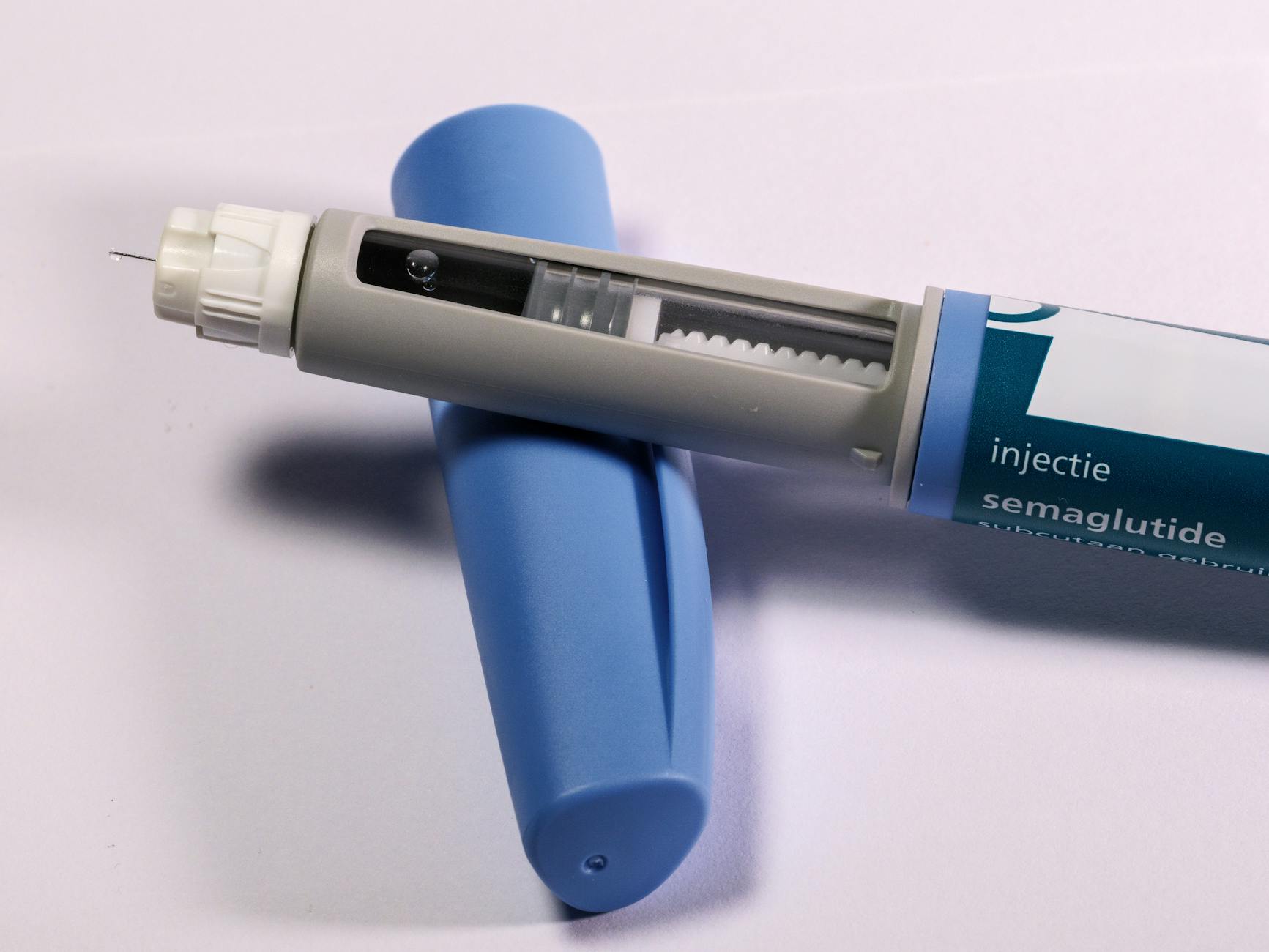
Ozempic (semaglutide) is a GLP-1 receptor agonist approved for type 2 diabetes. This comprehensive clinical guide covers its mechanism, efficacy data from landmark trials, real-world A1c reductions, weight effects, cost considerations, and practical safety tips.
- What Is Ozempic? How Does It Work?
- Efficacy: How Much Does Ozempic Lower A1c and Weight?
- Dosing & Administration: Starting, Titrating, and When to Inject
- Common Side Effects and How to Manage Them
- Serious Safety Concerns: Pancreatitis, Thyroid Tumors, and Retinopathy
- Ozempic vs. Other Diabetes Medications (Trulicity, Rybelsus, Mounjaro)
- Who Should Take Ozempic? Ideal Candidates and Contraindications
- Frequently Asked Questions About Ozempic for Diabetes
What Is Ozempic? How Does It Work?
Ozempic is the brand name for semaglutide, a once-weekly injectable medication approved by the U.S. Food and Drug Administration (FDA) in 2017 for improving glycemic control in adults with type 2 diabetes mellitus. It belongs to the class of drugs known as glucagon-like peptide-1 (GLP-1) receptor agonists.
Semaglutide mimics the action of the natural hormone GLP-1, which is released from the gut after eating. It does three main things:
- Increases insulin secretion from the pancreas in a glucose-dependent manner (only when blood sugar is high).
- Suppresses glucagon release, reducing glucose production by the liver.
- Slows gastric emptying, which delays carbohydrate absorption and promotes early fullness.
Because of these actions, Ozempic lowers both fasting and postprandial blood glucose levels. Additionally, the drug acts on GLP-1 receptors in the brain’s appetite centers, leading to reduced calorie intake and clinically meaningful weight loss. The SUSTAIN clinical trial program (Semaglutide Unabated Sustainability in Treatment of Type 2 Diabetes) demonstrated these effects across a broad population of patients.
Ozempic is not a first-line agent for most patients; metformin remains the recommended initial therapy per the American Diabetes Association (ADA) 2025 Standards of Care. However, Ozempic is often added when metformin alone does not achieve A1c goals, or when weight loss and cardiovascular benefit are desired.
Efficacy: How Much Does Ozempic Lower A1c and Weight?
Landmark trials such as SUSTAIN-1 through SUSTAIN-7 provide robust data. In SUSTAIN-7, patients on the 1.0 mg dose experienced a mean A1c reduction of 1.5% to 1.8% from baseline, and a mean weight loss of 12 to 14 pounds (5.4–6.4 kg) over 40 weeks. The SUSTAIN-6 cardiovascular outcomes trial showed a 26% reduction in major adverse cardiovascular events (MACE) among patients with established CVD or high risk.
The effect is dose-dependent. The 0.5 mg dose typically yields a 1.0–1.3% A1c drop, while the 1.0 mg dose provides additional benefit. A smaller number of patients are escalated to 2.0 mg (approved in 2022 as Ozempic 2.0 mg) with even greater metabolic benefits, though gastrointestinal tolerability must be managed.
Importantly, the glucose-lowering effect is durable — unlike some sulfonylureas, Ozempic does not cause secondary failure over 2-year follow-up in controlled trials. The drug also improves beta-cell function markers and reduces liver fat content (NAFLD) in post-hoc analyses.
The ADA now recommends GLP-1 receptor agonists like Ozempic as a first injectable option, especially for patients with obesity (BMI ≥30 kg/m²) or established atherosclerotic cardiovascular disease (ASCVD).
Dosing & Administration: Starting, Titrating, and When to Inject
Ozempic is administered subcutaneously once weekly, regardless of meals. The most commonly used injection sites are the abdomen, thigh, or upper arm. Cold storage (refrigerator at 36°F–46°F) is required before first use; after opening, the pen is stable at room temperature (up to 86°F) for 56 days.
Typical dosing schedule:
- Starting dose: 0.25 mg once weekly for 4 weeks (not therapeutic; used for gastrointestinal tolerance).
- Maintenance dose 1: 0.5 mg once weekly for at least 4 weeks; if A1c goal not met, advance to 1.0 mg.
- Maintenance dose 2: 1.0 mg once weekly (most common target dose).
- Second-line escalation: 2.0 mg once weekly if additional glycemic or weight reduction is needed.
Missed dose? If within 5 days of the scheduled date, take it as soon as remembered; otherwise skip and resume on the usual day. Do not take two doses within 72 hours.
Always restart at 0.25 mg if treatment is interrupted for more than 2 consecutive weeks. Abrupt re-initiation at a higher dose increases the risk of severe nausea, vomiting, and pancreatitis.
Common Side Effects and How to Manage Them
Gastrointestinal side effects are the most frequent reason for discontinuation. About 20–40% of patients experience nausea, vomiting, diarrhea, or constipation, especially during dose escalation. These effects are usually transient and diminish over 2–4 weeks.
Practical management strategies:
- Inject at bedtime so that early nausea occurs during sleep.
- Eat smaller, low-fat meals; avoid fried and spicy foods.
- Stay hydrated; sip water or clear broth throughout the day.
- Consider an over-the-counter antiemetic (e.g., dimenhydrinate) if nausea is troublesome.
- Slow down dose escalation — your doctor may extend the 0.25 mg period to 8 weeks if needed.
Other side effects include injection site reactions (redness, itching), mild hypoglycemia when used with sulfonylureas or insulin, and a small increase in heart rate (1–3 bpm). Serious adverse events are discussed next.
Serious Safety Concerns: Pancreatitis, Thyroid Tumors, and Retinopathy
While Ozempic has a favorable safety profile for most patients, the FDA requires a boxed warning for thyroid C-cell tumors. In rodent studies, semaglutide caused medullary thyroid carcinoma; human data do not show an increased risk, but the drug is contraindicated in patients with personal or family history of medullary thyroid carcinoma (MTC) or multiple endocrine neoplasia type 2 (MEN 2).
Other serious but rare events:
- Acute pancreatitis: Case reports describe severe epigastric pain radiating to the back. Discontinue Ozempic and evaluate lipase/amylase if pancreatitis is suspected.
- Diabetic retinopathy: A concerning signal from SUSTAIN-6 showed a higher rate of retinopathy complications with rapid A1c improvement in patients with preexisting retinopathy. Baseline eye exams and monitoring are recommended.
- Gallbladder disease: Cholelithiasis and cholecystitis have been reported, likely related to weight loss rather than a direct drug effect.
- Severe hypoglycemia: Rare as monotherapy, but risk increases when combined with insulin secretagogues. Dose adjustments of sulfonylureas/insulin are often needed.
Do not use Ozempic if you have a personal or family history of MTC or MEN 2. Also avoid in type 1 diabetes (ineffective) and during pregnancy (no established safety; animal studies show fetal harm).
Ozempic vs. Other Diabetes Medications (Trulicity, Rybelsus, Mounjaro)
Patients often compare Ozempic with other incretin-based therapies. Below is a side-by-side clinical comparison.
Dosing: Once weekly injection (0.5, 1.0, 2.0 mg)
A1c reduction: 1.5–1.8%
Weight loss: ~5–7 kg
CVD benefit: Yes (SUSTAIN-6)
Oral option: No (Rybelsus is oral semaglutide)
Dosing: Once weekly (0.75, 1.5, 3.0, 4.5 mg)
A1c reduction: 1.0–1.5%
Weight loss: ~2–4 kg
CVD benefit: Yes (REWIND)
Oral option: No
Dosing: Once weekly (2.5–15 mg)
A1c reduction: Up to 2.4%
Weight loss: ~10–12 kg
CVD benefit: Under investigation (SURPASS-CVOT)
Oral option: No
Dosing: Once daily tablet on empty stomach
A1c reduction: 1.0–1.4%
Weight loss: ~3–5 kg
CVD benefit: Not proven in dedicated CVOT
Oral option: Yes (only oral GLP-1 RA)
Ozempic generally has the strongest data for cardiovascular benefit among GLP-1 RAs (except liraglutide). Mounjaro shows superior A1c and weight reduction but lacks CV outcomes data as of 2025. Patients who prefer an oral route may consider Rybelsus, although its efficacy is slightly lower and it requires strict dosing protocol (empty stomach with water, wait 30 minutes before eating).
Who Should Take Ozempic? Ideal Candidates and Contraindications
The ADA and Endocrine Society guidelines suggest Ozempic is particularly beneficial for:
- Adults with type 2 diabetes who have inadequate glycemic control on metformin and/or other oral agents.
- Patients with BMI ≥27 kg/m² (overweight) or ≥30 kg/m² (obesity) who would benefit from weight loss.
- Individuals with established ASCVD or high CVD risk (e.g., history of MI, stroke, peripheral artery disease).
- Patients with chronic kidney disease (eGFR 25–59 mL/min/1.73 m²) — Ozempic reduces albuminuria and slows CKD progression per FLOW trial (2023).
When Ozempic should NOT be used:
- Type 1 diabetes (does not produce enough endogenous insulin).
- Personal or family history of MTC or MEN 2.
- Severe gastroparesis (may worsen gastric stasis).
- Known hypersensitivity to semaglutide or any excipient.
- Pregnancy, breastfeeding, or planning to conceive within 2 months of treatment.
Unlike insulin, Ozempic does not cause severe hypoglycemia on its own, promotes weight loss instead of weight gain, and has cardiovascular benefits. However, insulin remains essential for type 1 diabetes and advanced type 2 diabetes when beta-cell function is severely compromised. Many patients use Ozempic in combination with basal insulin for synergistic effect.
Frequently Asked Questions About Ozempic for Diabetes
Is Ozempic the same as Wegovy? — Similar drug, different doses and indications
Both contain semaglutide. Ozempic is approved for type 2 diabetes (doses up to 2.0 mg) and Wegovy is approved for weight management (up to 2.4 mg). Wegovy uses a higher titration schedule and is not FDA-approved for glycemic control. Off-label use of Ozempic for weight loss is common but not officially indicated.
Can Ozempic cure diabetes? — No, but it achieves remission in some
Ozempic does not cure type 2 diabetes. However, combined with lifestyle changes, it can induce diabetes remission (A1c <6.5% without medication) in a subset of patients with recent-onset disease, as shown in the DiRECT trial. Most patients require ongoing therapy.
How long does it take for Ozempic to work? — Immediate and progressive effects
Fasting glucose typically improves within 1–2 weeks at 0.25 mg, but the therapeutic effect at the 0.5 mg dose is seen after 4 weeks. Maximum A1c lowering occurs after 3–6 months at maintenance dose.
Does Ozempic cause hair loss? — Not a known direct effect
Hair loss is not listed in the prescribing information. Rapid weight loss itself can trigger telogen effluvium, a temporary shedding. This is not unique to Ozempic and resolves within 6 months.
Can I drink alcohol while taking Ozempic? — Caution advised
Alcohol can increase the risk of hypoglycemia, especially if Ozempic is combined with insulin or sulfonylureas. Moderate consumption is generally safe, but binge drinking may worsen gastrointestinal side effects and cause dehydration.
Disclaimer: This article is for informational purposes only and does not constitute medical advice. Always consult a qualified healthcare provider before making changes to your treatment, diet, or lifestyle.