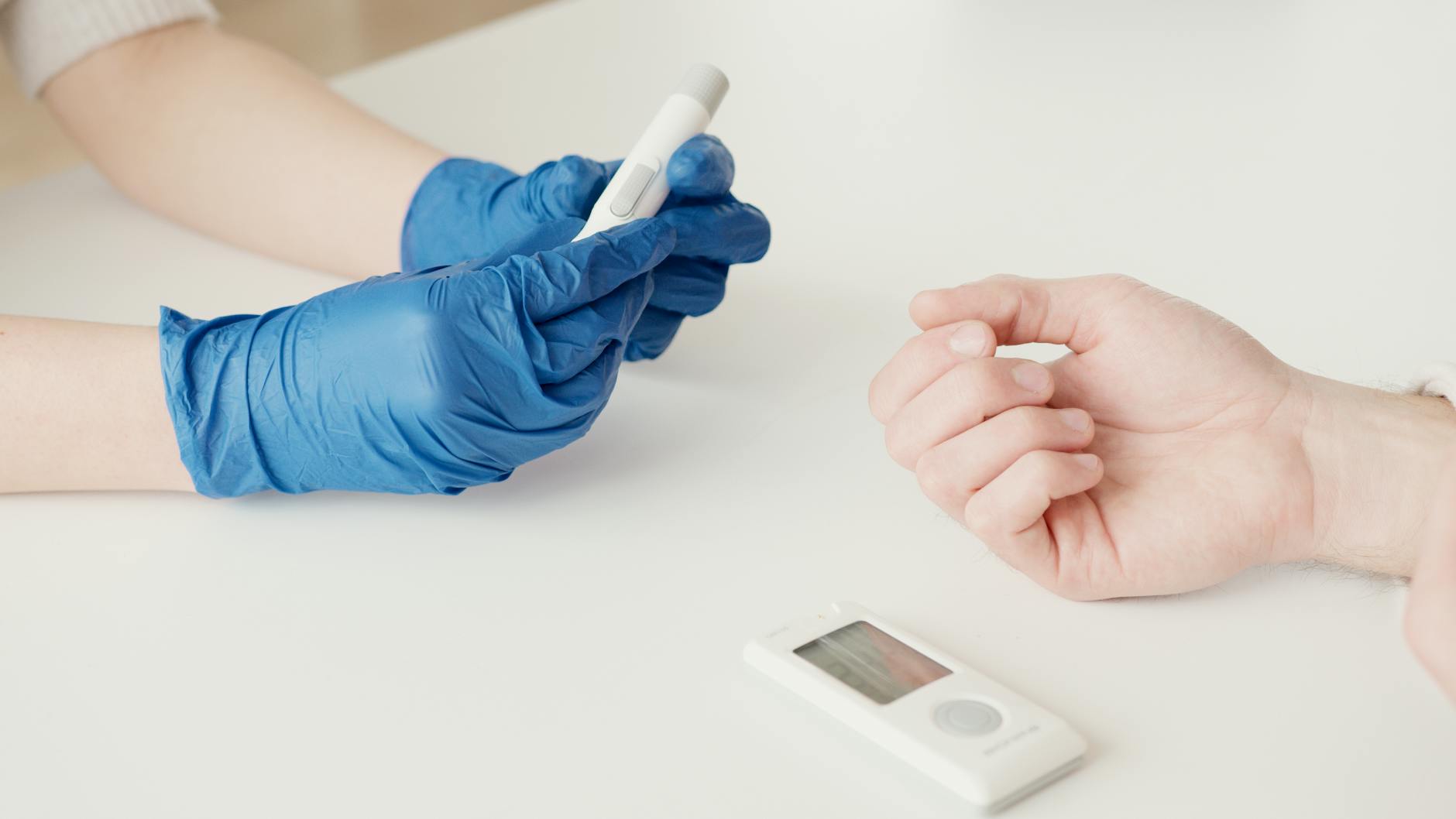
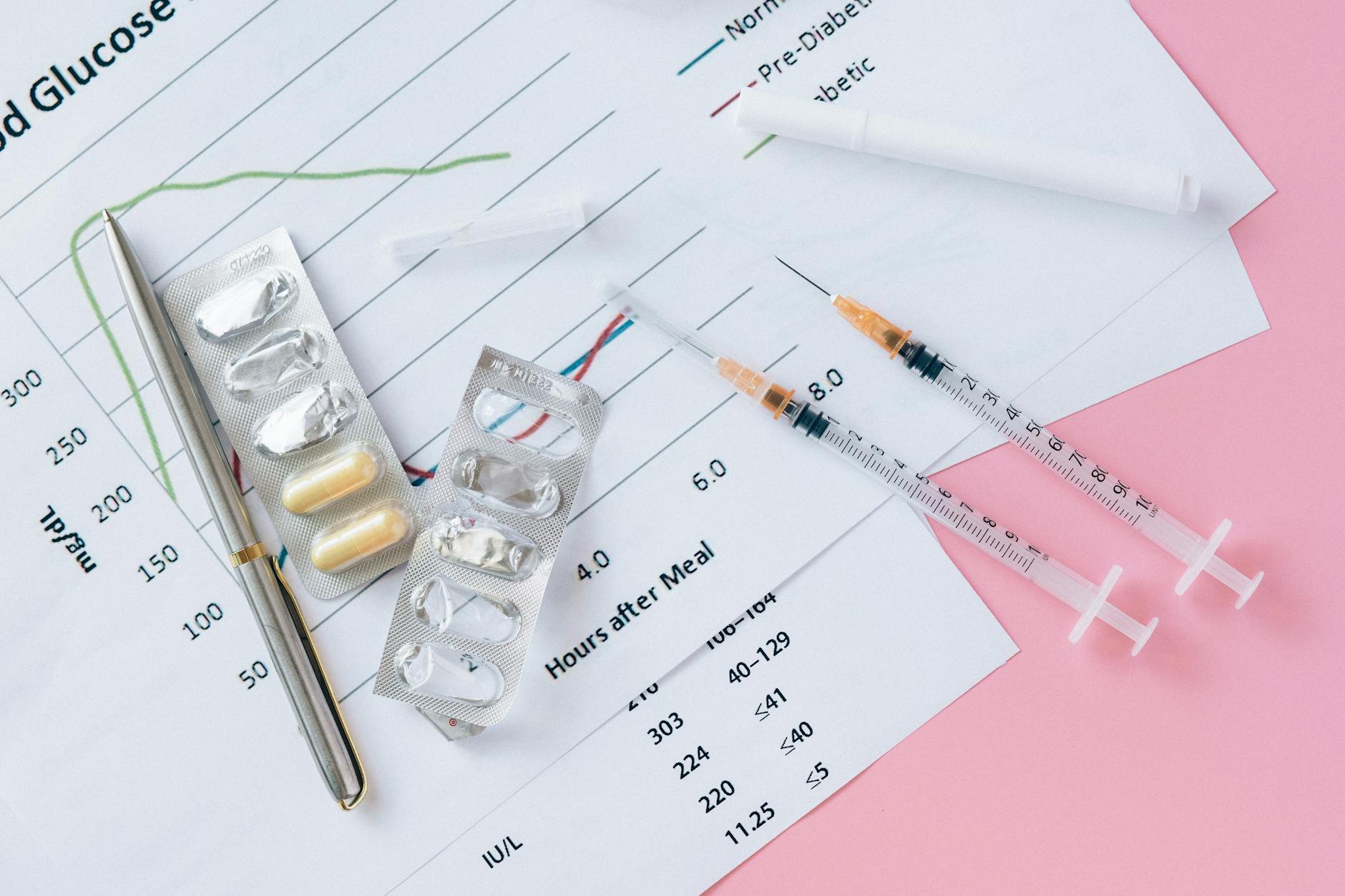
Sleep is a critical metabolic window, yet millions of patients with type 2 diabetes and prediabetes experience undetected glucose surges during the night. Nocturnal hyperglycemia not only fragments sleep architecture but independently drives HbA1c elevation and amplifies cardiovascular risk. This article provides an evidence-based framework for identifying nighttime high blood sugar symptoms, distinguishing between the Dawn Phenomenon and the Somogyi effect, and implementing targeted treatment strategies.
- Defining Nocturnal Hyperglycemia & Its Clinical Significance
- Recognizing the Key Symptoms of High Blood Sugar at Night
- Why Blood Sugar Rises While You Sleep: Pathophysiology
- Dawn Phenomenon vs. Somogyi Effect — A Critical Differential
- Clinical Consequences of Untreated Nighttime Hyperglycemia
- Diagnostic Approaches: CGM, Targets, and When to Check
- Evidence-Based Management Strategies for Nocturnal Hyperglycemia
- Common Myths and Misconceptions About Nighttime Blood Sugar
- Frequently Asked Questions (FAQ)
- When to Seek Emergency Care
Defining Nocturnal Hyperglycemia & Its Clinical Significance
Nocturnal hyperglycemia is broadly defined as a blood glucose level exceeding 140 mg/dL (7.8 mmol/L) during sleep, though contemporary clinical guidelines from the American Diabetes Association (ADA) emphasize a target of less than 120 mg/dL (6.7 mmol/L) overnight to optimize fasting morning glucose and reduce glycemic variability. A landmark 2024 analysis published in Diabetes Care demonstrated that nocturnal hyperglycemia contributes disproportionately to overall glycemic burden, accounting for nearly 25–30% of total hyperglycemic exposure in patients with type 2 diabetes and HbA1c levels above 8.0%.
From a physiological standpoint, the overnight period represents a delicate metabolic balancing act. In healthy individuals, endogenous insulin secretion adjusts to suppress hepatic gluconeogenesis and maintain glucose stability between 70–100 mg/dL. In patients with insulin resistance or beta-cell dysfunction, this regulatory mechanism falters. The liver continues to release glucose into the bloodstream, and without sufficient insulin action or with excessive counter-regulatory hormone secretion (cortisol, growth hormone), glucose levels climb unchecked.
Importantly, nocturnal hyperglycemia is often asymptomatic in its early stages, which is why many patients remain unaware of their nighttime glucose spikes until they develop overt complications or undergo continuous glucose monitoring (CGM). This "silent" metabolic disturbance is the primary reason the ADA now recommends structured CGM assessment for any patient whose morning fasting glucose is consistently above 130 mg/dL despite adherence to daytime medications.
Recognizing the Key Symptoms of High Blood Sugar at Night
Identifying nocturnal hyperglycemia requires careful attention to specific nighttime and early-morning signs. While CGM provides definitive data, symptom recognition empowers patients and clinicians to initiate diagnostic testing sooner. The following symptoms have the strongest correlation with objectively measured nocturnal glucose excursions:
- Nocturia (Frequent Nighttime Urination): The most consistently reported symptom. When blood glucose exceeds the renal threshold (~180 mg/dL, though this varies), glucose spills into the urine, creating an osmotic diuresis. Patients may wake 2–4 times per night to void, often with large volumes of dilute urine.
- Morning Headache and "Brain Fog": Hyperglycemia induces mild cerebral dehydration and alters neurotransmitter balance. A dull, frontal headache upon waking, accompanied by difficulty concentrating, is a classic marker of overnight glucose elevation.
- Night Sweats (Diaphoresis): Autonomic nervous system activation triggered by hyperglycemia can mimic hypoglycemic sweats. Unlike hypoglycemia-related sweats, hyperglycemic night sweats often occur later in the sleep cycle (4:00 AM – 6:00 AM) and may be accompanied by feelings of heat rather than chills.
- Vivid Dreams or Nightmares: Glucose fluctuations directly impact sleep architecture, particularly REM sleep. Hyperglycemia has been shown to increase dream recall and emotional intensity of dreams due to cortical arousal.
- Unrefreshing Sleep and Morning Fatigue: Even after 7–8 hours in bed, patients with nocturnal hyperglycemia often wake feeling as if they have not slept. This is attributable to disrupted slow-wave sleep and increased sympathetic tone.
- Dry Mouth (Xerostomia) and Increased Thirst: Osmotic diuresis leads to systemic dehydration. A dry, sticky mouth upon waking, along with immediate thirst, is a key indicator.
Patients who report both night sweats and nocturia should be evaluated for nocturnal hyperglycemia before assuming a sleep disorder or prostate issue. A simple 3:00 AM fingerstick or CGM review can clarify the cause.
A prospective cohort study in the Journal of Clinical Endocrinology & Metabolism (2025) found that patients reporting two or more of these symptoms had a 76% probability of having nocturnal hyperglycemia (>140 mg/dL for > 2 hours) on subsequent CGM testing. This highlights the diagnostic value of structured symptom inquiry in clinical practice.
Why Blood Sugar Rises While You Sleep: Pathophysiology
Understanding the mechanisms behind nighttime glucose elevation is essential for selecting the correct treatment. Several distinct pathophysiological processes can converge to produce nocturnal hyperglycemia:
Reduced Insulin Secretion & Increased Hepatic Glucose Production — The dominant mechanism in T2D
In patients with type 2 diabetes, beta-cell function declines progressively. During sleep, the body relies on basal insulin secretion to suppress hepatic glucose output. When insulin secretion is insufficient, the liver releases stored glycogen, and gluconeogenesis accelerates. This is the primary reason patients wake with elevated fasting glucose even if their bedtime glucose was normal.
The Dawn Phenomenon (Physiologic Surge) — Natural hormone-induced rise
Between approximately 3:00 AM and 8:00 AM, the body naturally increases secretion of growth hormone and cortisol. These counter-regulatory hormones signal the liver to release glucose, providing energy for the coming day. In individuals without diabetes, insulin secretion rises concurrently to maintain euglycemia. In patients with diabetes, this compensatory insulin rise is blunted, resulting in a sharp glucose spike — often 30–60 mg/dL above the 3:00 AM baseline.
The Somogyi Effect (Rebound Hyperglycemia) — Low begets high
Named after Dr. Michael Somogyi, this phenomenon describes a rebound hyperglycemic response following an episode of unrecognized nocturnal hypoglycemia. When blood glucose drops too low (typically below 70 mg/dL), the body releases glucagon, epinephrine, and cortisol to correct the low. This counter-regulatory surge can cause a dramatic overshoot, leading to high fasting glucose. The Somogyi effect is most common in patients on insulin or sulfonylureas, particularly if the evening dose is too high or the bedtime snack is insufficient.
Late or High-Carbohydrate Evening Meals — Dietary contributor
Consuming a large dinner high in refined carbohydrates or eating within 2 hours of bedtime can cause a prolonged postprandial glucose excursion that extends well into the night. This is particularly problematic for individuals with delayed gastric emptying or insufficient prandial insulin coverage. A 2025 trial in Diabetologia showed that shifting dinner to before 6:30 PM and limiting total carbohydrates to < 45 grams at the evening meal reduced nocturnal hyperglycemia duration by an average of 2.4 hours per night.
Dawn Phenomenon vs. Somogyi Effect — A Critical Differential
Distinguishing between the Dawn Phenomenon and the Somogyi effect is essential because the treatments are diametrically opposed. Treating a Somogyi effect with additional insulin (as one might for the Dawn Phenomenon) can precipitate severe hypoglycemia, while failing to treat the Dawn Phenomenon leaves patients exposed to chronic hyperglycemia. The table below summarizes the key differences.
| Feature | Dawn Phenomenon | Somogyi Effect |
|---|---|---|
| 2:00 – 3:00 AM Glucose | Normal or mildly elevated | Low (< 70 mg/dL) |
| Fasting Morning Glucose | High (> 130 mg/dL) | High (rebound overshoot) |
| Primary Mechanism | Growth hormone + cortisol surge | Counter-regulatory response to hypoglycemia |
| Common Triggers | Insufficient basal insulin, advancing age, liver insulin resistance | Excess evening insulin/sulfonylurea, missed bedtime snack, exercise late in day |
| Management Approach | Increase basal insulin, consider GLP-1 RA, time-shift meds to PM | Decrease evening insulin/sulfonylurea, ensure adequate bedtime protein snack |
| Prevalence | ~60–70% of T2D patients with high fasting glucose | ~15–20% of insulin-treated T2D patients |
The ADA Standards of Care (2026) explicitly recommend that any therapeutic adjustment to the evening insulin dose should be guided by a nocturnal glucose profile (e.g., CGM or 3:00 AM fingerstick) rather than by fasting glucose alone.
Clinical Consequences of Untreated Nighttime Hyperglycemia
Persistent nocturnal hyperglycemia is not merely a laboratory curiosity — it is a clinically significant driver of diabetic complications. The magnitude of risk is substantial and extends beyond what is captured by HbA1c alone.
- Accelerated Cardiovascular Disease: Nocturnal hyperglycemia promotes oxidative stress and endothelial dysfunction. A 2025 meta-analysis of 14 cohort studies found that each 30 mg/dL increase in mean overnight glucose was associated with a 23% increased risk of major adverse cardiovascular events (MACE), independent of daytime glucose control.
- Progression of Diabetic Nephropathy: The kidney is exquisitely sensitive to glucose fluctuations. Nocturnal hyperglycemia amplifies glomerular hyperfiltration and increases urinary albumin excretion, accelerating the decline in estimated glomerular filtration rate (eGFR).
- Non-Alcoholic Fatty Liver Disease (NAFLD): Overnight hepatic gluconeogenesis is directly tied to liver fat accumulation. Unchecked nocturnal hyperglycemia worsens hepatic insulin resistance and contributes to the progression from NAFLD to NASH.
- Sleep Architecture Disruption: Hyperglycemia reduces slow-wave (deep) sleep and increases the frequency of cortical arousals. This leads to a vicious cycle: poor sleep raises cortisol, which further elevates blood sugar.
"Nocturnal hyperglycemia is the most underrecognized contributor to residual cardiovascular risk in patients with type 2 diabetes. Addressing it is as important as controlling LDL cholesterol or blood pressure."
— Dr. Elena Rodriguez, Professor of Endocrinology, Harvard Medical School (Endocrine Reviews, 2025)
The economic burden is also considerable. Patients with uncontrolled nocturnal hyperglycemia incur approximately 40% higher annual healthcare costs, driven primarily by increased hospitalization rates for hyperglycemic crises and cardiovascular events.
Diagnostic Approaches: CGM, Targets, and When to Check
The diagnostic gold standard for nocturnal hyperglycemia in 2026 is Continuous Glucose Monitoring (CGM), specifically devices that provide real-time or retrospective glucose data at 5- to 15-minute intervals. However, structured self-monitoring of blood glucose (SMBG) can also be highly effective if performed at the correct times.
What glucose targets should you aim for overnight?
Current consensus targets, supported by the ADA and the International Consensus on Time in Range, are as follows:
- Time in Range (TIR): > 70% of readings between 70–180 mg/dL over 24 hours. Overnight TIR is often analyzed separately.
- Nocturnal Target: Mean overnight glucose < 120 mg/dL (6.7 mmol/L).
- Fasting Target: 80–130 mg/dL upon waking.
- Hypoglycemia Threshold: Any reading < 70 mg/dL requires investigation.
When should you check your blood sugar at night?
If CGM is not available, structured SMBG should include:
- Bedtime (pre-sleep) glucose — establishes the baseline.
- 2:00 AM – 3:00 AM glucose — captures the nadir and differentiates Dawn vs. Somogyi.
- Fasting morning glucose — documents the endpoint.
For patients with T2D whose fasting glucose is consistently > 140 mg/dL despite adequate daytime control, a 7-day CGM wear or a 3-night structured SMBG protocol (including 3:00 AM checks) should be performed before any medication adjustment.
Emerging technologies in 2026, such as hybrid closed-loop systems for type 2 diabetes and machine-learning CGM interpretation algorithms, have made it easier to automatically detect nocturnal hyperglycemia patterns and provide actionable clinical recommendations directly to the patient and care team.
Evidence-Based Management Strategies for Nocturnal Hyperglycemia
Management of nocturnal hyperglycemia requires a stepwise, phenotype-driven approach. The strategy must align with the underlying mechanism (Dawn Phenomenon, Somogyi effect, or dietary pattern). The following clinical algorithm represents best practice in 2026.
Sulfonylureas (e.g., glipizide, glyburide) and meglitinides (e.g., repaglinide) carry a significant risk of nocturnal hypoglycemia, particularly if the evening dose is not adjusted for meal size. If a patient is on these agents and exhibits the Somogyi effect, dose reduction or transition to a lower-risk agent (e.g., DPP-4 inhibitor or SGLT2 inhibitor) should be discussed with their endocrinologist.
Common Myths and Misconceptions About Nighttime Blood Sugar
This is one of the most dangerous misconceptions in diabetes management. As discussed above, a high fasting glucose can result from the Somogyi effect (rebound from overnight hypoglycemia). Adding more insulin in this scenario can precipitate severe, life-threatening hypoglycemia. Always confirm the 2:00 – 3:00 AM glucose level before escalating the evening dose.
While hypoglycemia is a classic cause of night sweats due to autonomic (adrenergic) activation, hyperglycemia can produce similar symptoms through osmotic diuresis and systemic inflammation. The only reliable way to differentiate is to check the blood glucose level during or immediately after the sweating episode.
Fasting glucose provides only a single snapshot. Without nocturnal data, it is impossible to distinguish between the Dawn Phenomenon, Somogyi effect, or sustained overnight elevation. Studies show that patients who rely solely on fasting glucose are 2–3 times more likely to experience medication errors and remain in suboptimal glycemic control compared to those who use CGM or structured nocturnal SMBG.
A small, protein-rich snack (e.g., Greek yogurt, a handful of almonds, or a string cheese) before bed provides a steady amino acid substrate that stimulates mild insulin secretion without causing a glucose spike. This can blunt the overnight rise in cortisol and growth hormone, resulting in a lower fasting glucose. The key is to keep the snack under 150 calories and avoid carbohydrates.
Frequently Asked Questions (FAQ)
What is the most accurate time to check blood sugar at night?
The single most informative time point is 2:00 AM – 3:00 AM. This window captures the physiologic glucose nadir (lowest point) and allows you to differentiate between the Dawn Phenomenon (normal or high at 3 AM) and the Somogyi effect (low at 3 AM). If you are using a CGM, reviewing the full overnight trend curve is even more informative.
Can stress or anxiety cause high blood sugar while sleeping?
Yes. Psychological stress elevates cortisol and catecholamines, both of which increase hepatic glucose production. This is mediated through the hypothalamic-pituitary-adrenal (HPA) axis. Chronic stress, in particular, is associated with a blunted circadian cortisol rhythm, leading to excessive glucose release during the early morning hours. Stress management techniques, including cognitive behavioral therapy and mindfulness-based stress reduction, have demonstrated modest but clinically significant reductions in fasting glucose in randomized trials.
What is considered a normal blood sugar range while sleeping?
For individuals without diabetes, overnight glucose levels remain remarkably stable between 70–100 mg/dL (3.9–5.6 mmol/L). For individuals with type 2 diabetes, the ADA recommends a target of 80–130 mg/dL at bedtime and fasting, with a mean overnight glucose of less than 120 mg/dL. Values above 140 mg/dL for more than 30 minutes are considered clinically significant hyperglycemia.
Does exercise before bed help or hurt nighttime blood sugar?
Moderate-intensity aerobic exercise (e.g., brisk walking, cycling) performed 2–3 hours before bed generally improves insulin sensitivity and lowers glucose levels overnight. However, high-intensity interval training (HIIT) or very late evening exercise (within 1 hour of sleep) can trigger a counter-regulatory hormone surge that produces transient hyperglycemia followed by a late-night dip. Individual experimentation with CGM is the best way to determine your personal response.
When to Seek Emergency Care
While nocturnal hyperglycemia is often managed in the outpatient setting, certain signs and symptoms warrant immediate medical evaluation. These may indicate the onset of Diabetic Ketoacidosis (DKA) or a Hyperosmolar Hyperglycemic State (HHS), both of which are medical emergencies.
If you or a loved one experiences any of these warning signs, check blood glucose immediately. If glucose is high (> 250 mg/dL) and ketones are present in urine or blood (moderate to large), seek emergency medical care without delay. DKA and HHS require intravenous fluids, electrolyte replacement, and medical supervision.