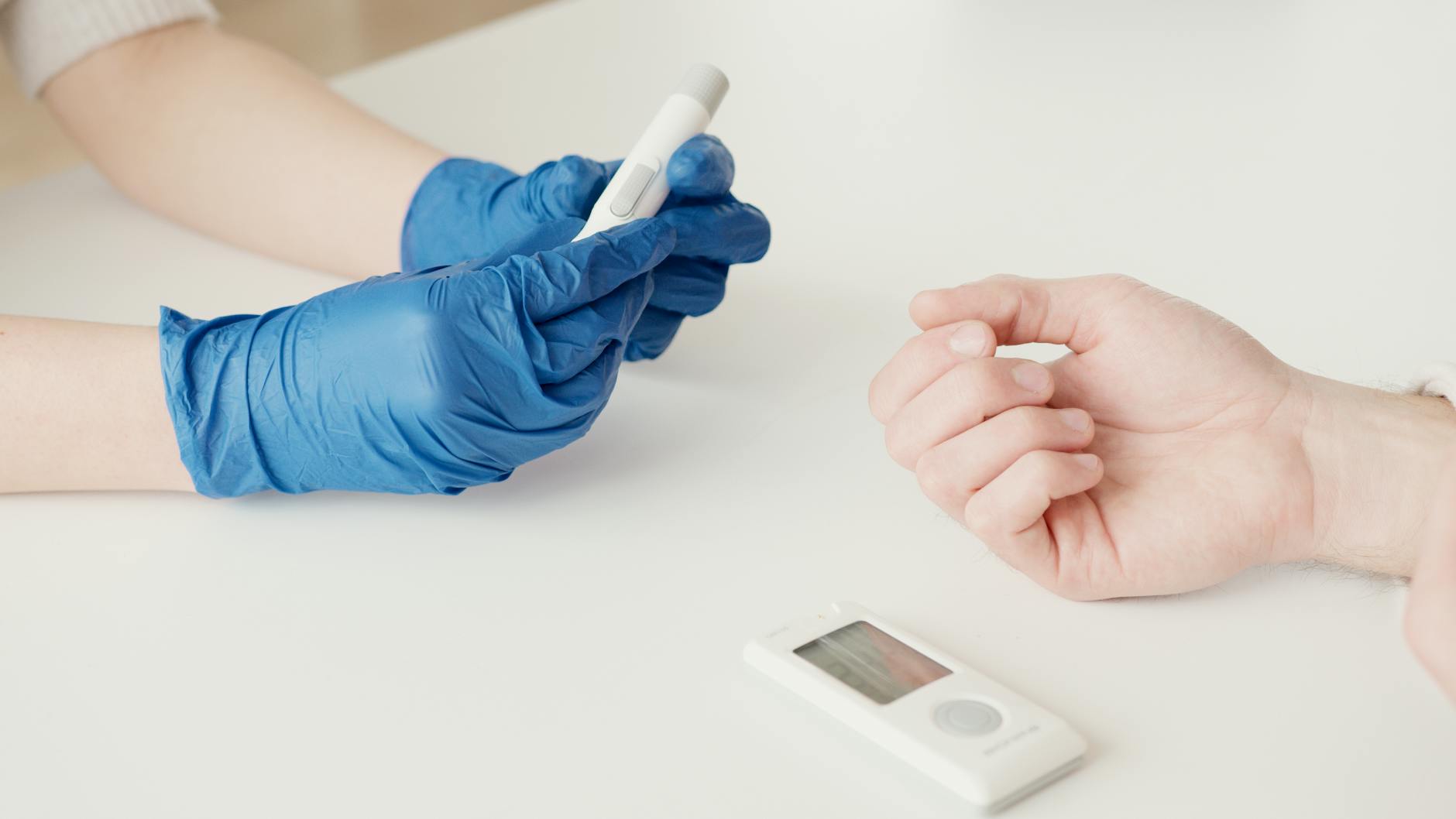
From acanthosis nigricans to diabetic dermopathy, chronic hyperglycemia produces distinct cutaneous signs. This evidence-based guide reviews the pathophysiology, clinical presentation, and management of skin manifestations linked to elevated blood glucose, helping patients and clinicians identify early warning signals before complications progress.
- What Are High Blood Sugar Skin Symptoms?
- Why Hyperglycemia Damages the Skin: Pathophysiology Explained
- Common Skin Manifestations of Uncontrolled Blood Sugar
- Red-Flag Symptoms Requiring Immediate Medical Attention
- Distinguishing Diabetes-Related Skin Changes from Other Conditions
- When to See a Doctor: Screening and Diagnosis
- Treatment and Management Strategies
- Prevention: Daily Skin Care and Blood Glucose Control
- Common Myths About High Blood Sugar and Skin Health
- Frequently Asked Questions
What Are High Blood Sugar Skin Symptoms?
High blood sugar skin symptoms refer to a spectrum of dermatologic changes that arise directly or indirectly from chronic hyperglycemia. These manifestations affect up to 79% of individuals with diabetes at some point during their disease course, according to a 2023 systematic review in the Journal of the European Academy of Dermatology and Venereology. They range from cosmetic concerns like velvety, dark patches (acanthosis nigricans) to serious complications such as non-healing ulcers and disseminated infections.
The clinical importance of recognizing these symptoms cannot be overstated. Skin changes often serve as the earliest visible indicators of prediabetes or undiagnosed type 2 diabetes. In many cases, a patient first notices a skin abnormality — such as persistent itching, darkening of the neck or knuckles, or slow-healing cuts — before a formal diagnosis is made. The American Diabetes Association (ADA) includes several cutaneous signs in its list of conditions that should prompt screening for diabetes.
Importantly, these symptoms are not limited to people with established diabetes. Prediabetes — defined by fasting glucose 100–125 mg/dL or HbA1c 5.7%–6.4% — can also produce early skin changes, particularly acanthosis nigricans and skin tags. Recognizing these signs creates a critical window for early lifestyle intervention that may prevent progression to frank diabetes.
High blood sugar skin symptoms encompass all dermatologic conditions whose prevalence and severity are directly correlated with elevated glucose levels. The primary mechanisms include non-enzymatic glycation of skin proteins, microangiopathy, impaired neutrophil function, and altered collagen metabolism. These changes manifest as distinct clinical entities that dermatologists and endocrinologists recognize as cutaneous markers of glycemic dysregulation.
Why Hyperglycemia Damages the Skin: Pathophysiology Explained
Understanding why high blood sugar harms the skin requires a look at four interconnected mechanisms. Chronic hyperglycemia triggers a cascade of molecular and cellular changes that directly alter skin structure, immune defense, and wound healing.
Persistently elevated glucose binds irreversibly to proteins in the skin — particularly collagen and elastin — through non-enzymatic glycation. This forms advanced glycation end-products (AGEs), which cross-link collagen fibers, reducing skin elasticity and resilience. AGEs also stimulate inflammatory pathways via the RAGE receptor, promoting oxidative stress and chronic low-grade inflammation. Over time, this produces thickened, stiff, prematurely aged skin and impaired microcirculation. A 2021 study in Diabetes Care found that skin autofluorescence — a non-invasive measure of AGE accumulation — correlates strongly with HbA1c and predicts diabetic complications independent of glycemic control.
Hyperglycemia damages endothelial cells lining small blood vessels (microangiopathy). Thickening of capillary basement membranes reduces oxygen and nutrient delivery to skin cells. This compromises the skin's barrier function, slows cell turnover, and impairs thermoregulation. Reduced blood flow also delays clearance of metabolic wastes. The combination of hypoxia and nutrient deprivation makes the skin fragile, slow to heal, and prone to breakdown, particularly in pressure areas like the feet and shins.
High glucose impairs neutrophil chemotaxis, phagocytosis, and intracellular killing of bacteria. It also reduces T-cell function and complement activity. This creates a state of relative immunodeficiency, increasing susceptibility to bacterial, fungal, and viral infections of the skin. Staphylococcus aureus and Candida albicans are particularly common pathogens. Poor glycemic control also promotes biofilm formation, making infections harder to treat. The result: higher rates of cellulitis, folliculitis, intertrigo, and mucocutaneous candidiasis.
Diabetic peripheral neuropathy reduces pain, temperature, and pressure sensation in the extremities. Combined with autonomic neuropathy — which impairs sweating and sebum production — the skin becomes dry, cracked, and prone to fissuring. Loss of protective sensation means minor cuts, blisters, and abrasions go unnoticed, leading to delayed treatment, secondary infection, and potentially ulceration. Dry skin (xerosis) further compromises barrier integrity.
Common Skin Manifestations of Uncontrolled Blood Sugar
The following table summarizes the most frequently encountered high blood sugar skin symptoms, their distinguishing features, and their approximate prevalence among people with diabetes. Each condition reflects a different aspect of hyperglycemia-driven pathology.
| Condition | Key Features | Location | Prevalence in Diabetes |
|---|---|---|---|
| Acanthosis nigricans | Velvety, hyperpigmented plaques with a thickened texture | Neck, axillae, groin, knuckles | 30–40% (type 2) |
| Diabetic dermopathy | Shallow, round, brownish-red atrophic macules ("shin spots") | Anterior shins | 40–70% |
| Necrobiosis lipoidica | Shiny, yellowish-brown plaques with violaceous borders and telangiectasias | Anterior shins | 0.3–1.6% |
| Diabetic bullae | Painless, tense blisters containing sterile fluid; no surrounding erythema | Feet, toes, lower legs | 0.5% |
| Eruptive xanthomas | Sudden eruption of firm, yellow papules with an erythematous halo | Buttocks, elbows, knees, extensor surfaces | <1% (uncontrolled diabetes) |
| Digital sclerosis | Thickened, waxy, tight skin with limited joint mobility | Fingers, hands (can generalize) | 8–30% (type 1) |
| Peripheral xerosis | Severe dry, scaly, cracked skin with pruritus | Lower legs, feet | 25–45% |
| Cutaneous infections | Recurrent staphylococcal boils, candidal intertrigo, onychomycosis, tinea pedis | Variable | 30–50% (lifetime) |
Acanthosis nigricans is the most specific cutaneous marker of insulin resistance, not simply hyperglycemia. It correlates with fasting insulin levels and obesity. Its presence in a non-diabetic individual warrants screening for metabolic syndrome and prediabetes. Conversely, necroptotic lesions and bullae are more directly linked to microangiopathy and tissue hypoxia in established diabetes.
What does diabetic skin look like in early stages?
Early changes are often subtle and easily overlooked. The skin may appear mildly darker in flexural areas (acanthosis nigricans), feel dry and itchy (xerosis), or show small, painless brownish spots on the shins (diabetic dermopathy). Many patients dismiss these as aging, sun damage, or poor hygiene. However, when these signs occur together or in someone with risk factors — family history of diabetes, obesity, sedentary lifestyle — they warrant formal glucose assessment. A 2022 cross-sectional study in BMJ Open Diabetes Research & Care found that acanthosis nigricans had a sensitivity of 58% and specificity of 89% for detecting undiagnosed type 2 diabetes in adults over 40.
Red-Flag Symptoms Requiring Immediate Medical Attention
While many high blood sugar skin symptoms are chronic and manageable, certain presentations signal acute complications that demand urgent evaluation. The following warning signs should prompt a same-day or next-day medical visit.
If you or someone you know has any of the following in combination with a skin lesion — especially on the foot — go to the nearest emergency department immediately: temperature above 101°F (38.3°C), rapid heart rate, confusion, inability to bear weight, or a limb that feels cold and looks pale or blue. Time to treatment is the strongest predictor of limb salvage in diabetic foot infections.
Distinguishing Diabetes-Related Skin Changes from Other Conditions
Many high blood sugar skin symptoms mimic common dermatologic conditions, leading to misdiagnosis or delayed recognition. The comparison grid below highlights key differentiating features.
Eczema or Atopic Dermatitis
Dry, scaly, itchy patches — but diabetic xerosis typically spares the flexural folds (elbow creases, behind knees) where eczema thrives. Diabetic xerosis also responds poorly to standard moisturizers without concurrent glycemic improvement.
Presence of shin spots + dry skin
The combination of xerosis on the lower legs with diabetic dermopathy (shin spots) is highly suggestive of diabetes. Eczema rarely produces the atrophic, hyperpigmented macules seen in dermopathy.
Fungal or Bacterial Intertrigo
Redness and maceration in skin folds can be caused by obesity, poor hygiene, or fungal overgrowth. However, diabetes-related intertrigo is more persistent, recurrent, and often involves Candida with satellite papules.
Velvety hyperpigmentation (AN)
Acanthosis nigricans in the axillae or neck has a distinctly velvety, thickened texture. Intertrigo is usually moist, erythematous, and may have exudate or crust — not hyperpigmented and velvety.
Venous Stasis Dermatitis
Brownish discoloration and scaling on the lower legs — venous stasis typically affects the medial malleolus, has associated varicose veins, and improves with leg elevation. Diabetic dermopathy is more diffuse on the anterior shin.
Bilateral, shallow, round lesions
Diabetic dermopathy lesions are nearly always bilateral, 0.5–1 cm in diameter, shallow, and non-tender. Venous stasis tends to be unilateral or asymmetrical and involves hemosiderin staining.
When assessing a skin complaint, clinicians should consider the possibility of underlying hyperglycemia if the skin condition is bilateral, involves the shins or flexural areas, is associated with xerosis or pruritus, or presents as recurrent infections. The ADA recommends checking HbA1c or fasting glucose in any patient presenting with acanthosis nigricans, multiple skin tags, or recurrent candidal infections.
When to See a Doctor: Screening and Diagnosis
The presence of any high blood sugar skin symptom should prompt evaluation for underlying hyperglycemia — even in individuals without a prior diabetes diagnosis. The table below outlines recommended diagnostic thresholds and tests.
| Test | Normal | Prediabetes | Diabetes |
|---|---|---|---|
| Fasting Plasma Glucose | <100 mg/dL | 100–125 mg/dL | ≥126 mg/dL (two occasions) |
| HbA1c | <5.7% | 5.7%–6.4% | ≥6.5% |
| 2-Hour Oral Glucose Tolerance Test | <140 mg/dL | 140–199 mg/dL | ≥200 mg/dL |
| Random Glucose (with symptoms) | — | — | ≥200 mg/dL |
The ADA recommends diabetes screening for all adults aged 35 years and older, and earlier for those with BMI ≥25 kg/m² and one or more risk factors (family history, hypertension, dyslipidemia, history of gestational diabetes, or high-risk race/ethnicity). The presence of skin changes suggestive of hyperglycemia should lower the threshold for screening regardless of age.
Which specialist should you see?
If you notice skin changes that you suspect are related to blood sugar, start with your primary care provider. They can perform initial glucose testing and refer as needed. Dermatologists can help diagnose and treat specific skin conditions, while endocrinologists manage the underlying glycemic disorder. A podiatrist should evaluate any foot-related skin changes, especially if neuropathy or vascular compromise is present.
Treatment and Management Strategies
Management of high blood sugar skin symptoms requires a dual approach: optimizing glycemic control to address the root cause, and direct dermatologic care for the skin lesions themselves. Neither is sufficient alone.
Glycemic Optimization as Primary Therapy
Improving blood glucose levels is the most effective intervention for preventing and reversing many hyperglycemia-related skin conditions. In a 2022 prospective cohort study in Diabetes, Obesity and Metabolism, patients who achieved an HbA1c reduction of ≥1.5% over 6 months showed a 47% improvement in acanthosis nigricans severity scores and a 38% reduction in xerosis symptoms.
Topical and Procedural Treatments for Skin Lesions
Acanthosis nigricans: Topical retinoids (tretinoin 0.05–0.1%), calcipotriol, or ammonium lactate 12% lotion. Laser therapy may be considered for refractory cases.
Xerosis: Emollients containing urea 10–20%, lactic acid, or ceramides. Avoid harsh soaps; use lukewarm water.
Pruritus: Topical pramoxine, cooling lotions with menthol, or low-dose doxepin cream. Oral antihistamines for sleep disruption.
Cutaneous infections: Antifungals (clotrimazole, terbinafine, fluconazole) for candidiasis; culture-guided antibiotics for bacterial infections. Prolonged treatment courses are often needed due to impaired immune clearance.
Necrobiosis lipoidica: Potent topical corticosteroids under occlusion, intralesional triamcinolone, or tacrolimus. Refractory cases may require systemic treatment with hydroxychloroquine or TNF-alpha inhibitors.
Diabetic ulcers: Comprehensive wound care including debridement, offloading, advanced dressings, growth factors, and often revascularization.
Do not apply over-the-counter corticosteroid creams to undiagnosed skin lesions. Steroids can worsen infections, thin the skin, and mask underlying pathology. Always obtain a proper diagnosis before starting treatment. Additionally, patients with diabetes and peripheral neuropathy should never use heating pads or chemical warmers on their feet — burns can occur without sensation.
Prevention: Daily Skin Care and Blood Glucose Control
Preventing high blood sugar skin symptoms centers on two pillars: rigorous metabolic management and a disciplined skin care routine. The following evidence-based recommendations can help maintain skin integrity and reduce the risk of complications.
1. Cleanse gently: Use a mild, non-soap cleanser with a pH of 5.5–6.5. Avoid hot water, which strips natural oils. Pat (don't rub) skin dry, especially between toes.
2. Moisturize immediately after bathing: Apply a fragrance-free emollient within 3 minutes of drying to lock in moisture. Urea-based creams (10–20%) are particularly effective for xerosis.
3. Inspect feet daily: Examine all surfaces of both feet — including between toes — for redness, blisters, cuts, or swelling. Use a mirror or ask a family member if bending is difficult.
4. Protect from injury: Wear well-fitted shoes with cushioned soles. Never walk barefoot, even indoors. Trim nails straight across and file sharp edges.
5. Manage pruritus without scratching: Apply cold compresses or calamine lotion. Keep nails short. If itching persists despite moisturization, consult a dermatologist.
6. Maintain glycemic targets: Consistent blood glucose monitoring, medication adherence, dietary consistency, and physical activity form the foundation of prevention. Even modest improvements in HbA1c reduce skin complication risk.
What products should you avoid?
Common Myths About High Blood Sugar and Skin Health
Misinformation about diabetes and skin complications is widespread. The following myths are among the most frequently encountered in clinical practice.
Fact: Acanthosis nigricans, skin tags, and recurrent candidal infections frequently occur in individuals with prediabetes or unrecognized insulin resistance. In one study, nearly 29% of patients who presented with acanthosis nigricans had HbA1c levels in the prediabetic range. Skin changes can be the first clue that blood sugar is abnormal.
Fact: Some diabetes-related skin changes — particularly diabetic dermopathy and necrobiosis lipoidica — can persist even after glycemic control is established. These lesions represent cumulative damage from prior periods of hyperglycemia. Normalizing glucose prevents new lesions but may not fully reverse existing ones.
Partially true: Emollients are essential, but they address only the symptom, not the cause. Diabetic xerosis results from autonomic neuropathy (reduced sweating) and AGE-related collagen changes. Without glycemic improvement, moisturizers provide temporary relief at best. A combined approach — glucose control plus daily moisturization — is far more effective than either alone.
Fact: Many superficial fungal and bacterial infections respond to topical therapy if glycemic control is adequate. However, because diabetes impairs immune function, infections can progress rapidly. The decision to use oral versus topical treatment depends on the extent, depth, and location of the infection, as well as the patient's HbA1c. A dermatologist should guide therapy.
Frequently Asked Questions
Can high blood sugar cause itching without a rash?
Yes — generalized pruritus (itching) without visible rash is a well-recognized symptom of chronic hyperglycemia. It results from dry skin (xerosis), microcirculatory changes, and accumulation of metabolic byproducts that irritate nerve endings. Itching may be the earliest skin-related symptom of dysglycemia, often preceding visible lesions. A 2020 study in Acta Diabetologica found that 27% of people with newly diagnosed type 2 diabetes reported generalized pruritus as a presenting symptom, compared to only 6% of normoglycemic controls.
Do skin symptoms go away when blood sugar is controlled?
Some skin conditions improve significantly with glycemic optimization; others are partially or fully irreversible. Acanthosis nigricans often fades over months once insulin resistance is reduced. Xerosis and pruritus typically resolve within weeks of achieving stable glucose targets. Eruptive xanthomas usually clear when triglycerides and glucose are controlled. However, diabetic dermopathy and necrobiosis lipoidica may persist indefinitely, although progression usually halts with good control. Digital sclerosis rarely reverses. Early recognition and treatment offer the best chance for improvement.
Are skin tags a sign of high blood sugar?
Multiple skin tags (acrochordons) — especially in the neck, axillae, and groin — are associated with insulin resistance and type 2 diabetes. A 2021 meta-analysis found that individuals with multiple skin tags had a 2.4-fold higher odds of having diabetes or prediabetes compared to those without skin tags. The mechanism involves insulin-like growth factor signaling promoting keratinocyte and fibroblast proliferation. While skin tags themselves are benign, their presence should prompt glucose screening, particularly when they appear in clusters with acanthosis nigricans.
Can prediabetes cause skin changes?
Yes. Acanthosis nigricans is the most common skin manifestation of prediabetes and correlates strongly with fasting insulin levels. Skin tags, mild xerosis, and increased susceptibility to intertriginous fungal infections can also occur in the prediabetic state. The 2023 ADA Standards of Care note that acanthosis nigricans is a "risk factor for diabetes" and recommend targeted screening in affected individuals. Early detection of prediabetes through skin signs offers a critical opportunity for lifestyle intervention that can prevent progression to diabetes.
What does diabetic dermopathy look like exactly?
Diabetic dermopathy presents as multiple, round to oval, shallow, atrophic macules on the anterior shins. They are typically 0.5–1 cm in diameter, red-brown to brown in color, and may have a subtle scaly surface. They are painless, non-pruritic, and non-tender — a key differentiating feature from trauma or vasculitis. Lesions often appear in crops bilaterally. Over time, they may become lighter or disappear, but new lesions frequently appear. They are sometimes called "shin spots" and are one of the most common skin findings in diabetes, affecting up to 70% of patients with long-standing disease.
When should I see a dermatologist versus my primary care doctor?
Start with your primary care provider for initial evaluation and glucose testing. However, you should see a dermatologist directly if: the skin condition is painful, spreading, or not improving; you have recurrent or persistent infections; the diagnosis is unclear; over-the-counter treatments are ineffective; or you have a foot ulcer or wound that is not healing. A podiatrist should manage foot-related skin and nail issues in people with diabetes, particularly those with neuropathy or peripheral artery disease. Coordinated care between these specialists produces the best outcomes.