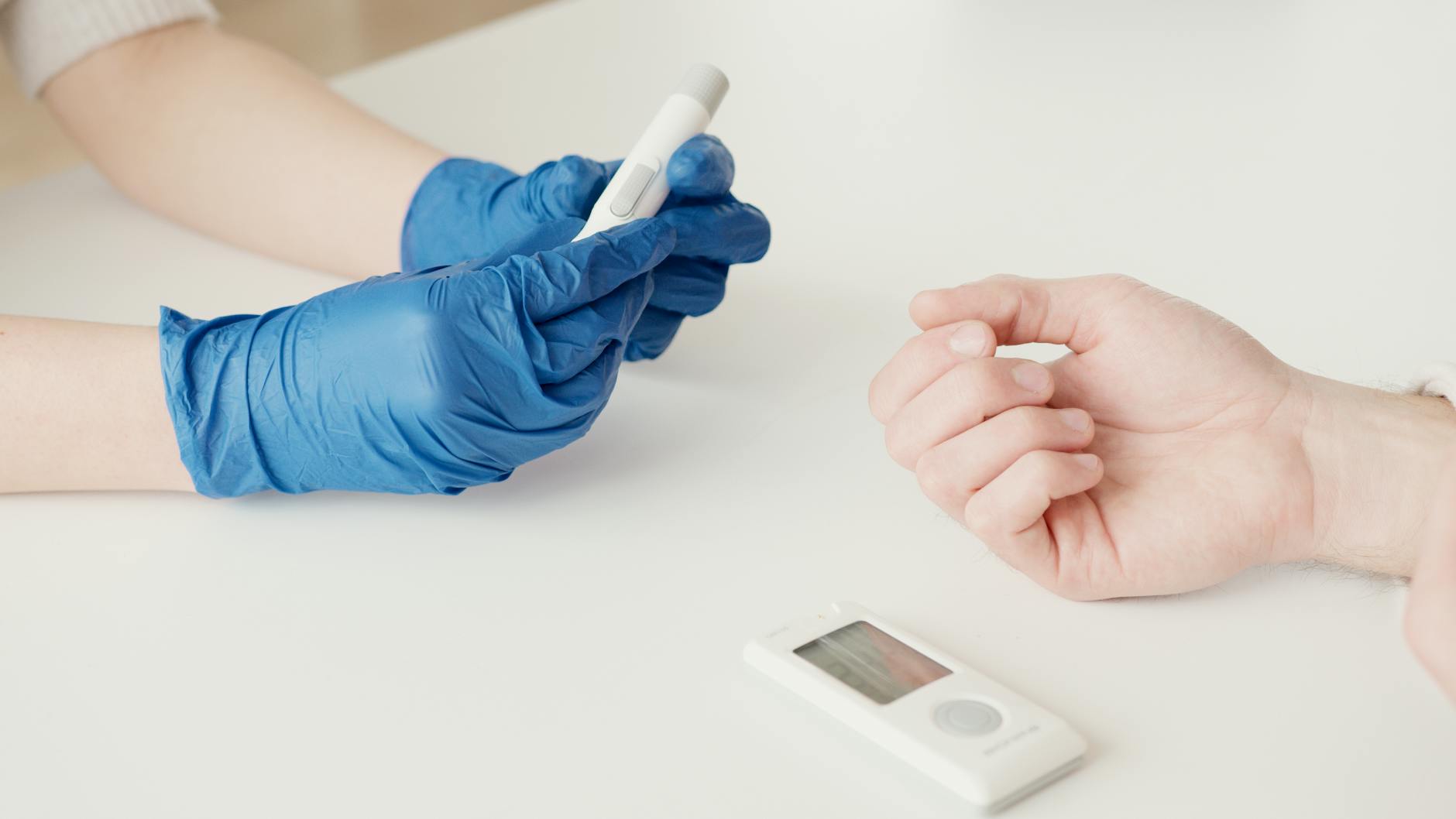
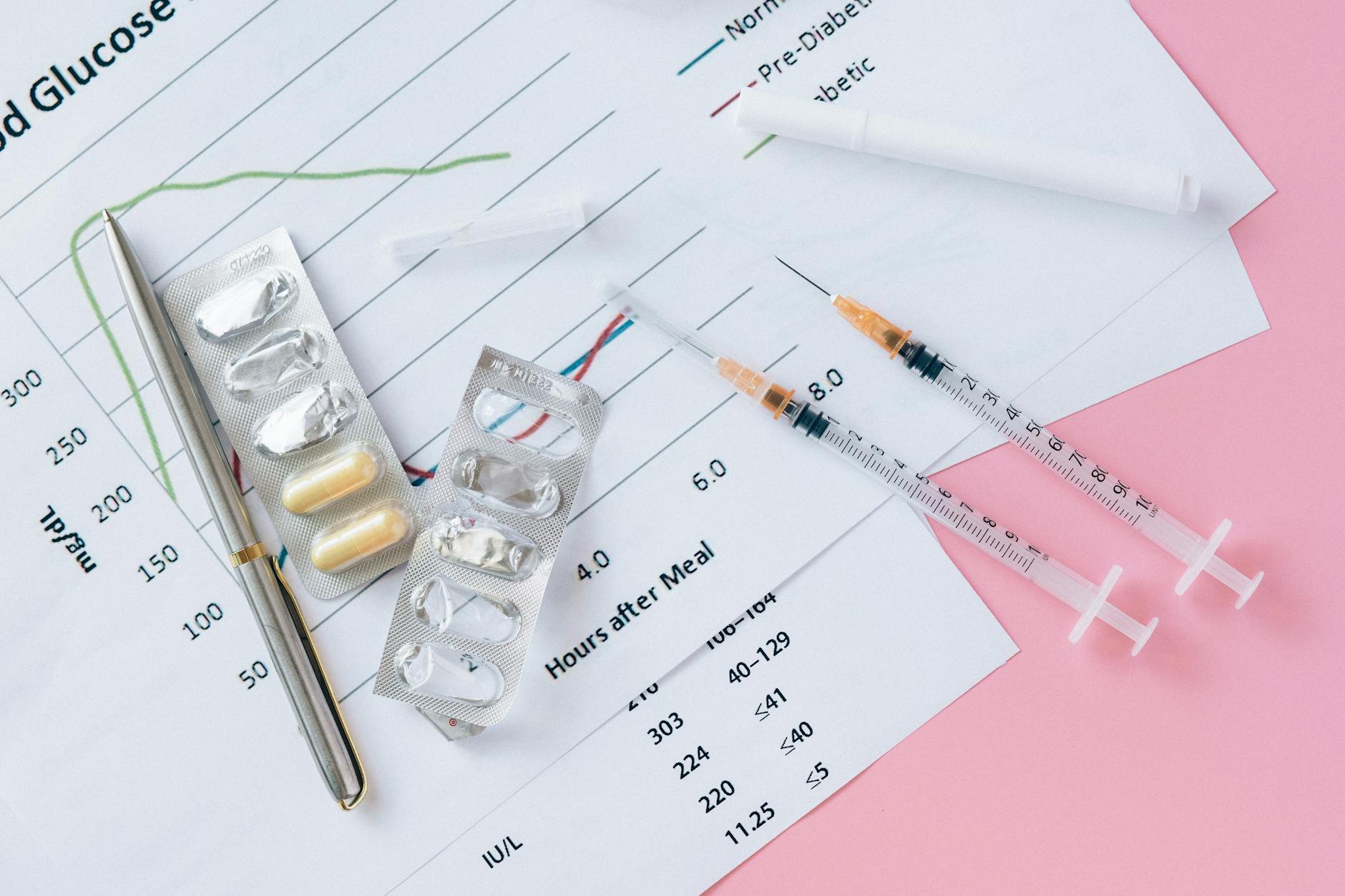
If you have diabetes or prediabetes, a throbbing headache may be more than a nuisance — it could be your brain signaling that blood glucose has climbed too high. Learn the mechanisms, thresholds, and proven steps to break the cycle.
- What Is a High Blood Sugar Headache? Defining the Link
- How Hyperglycemia Causes Head Pain: The Physiology
- Recognizing a Hyperglycemic Headache: Symptoms and Signs
- Blood Sugar Thresholds: At What Level Do Headaches Begin?
- Immediate Relief: A Step-by-Step Protocol
- Long-Term Prevention: Glucose Control and Lifestyle Strategies
- When to Seek Emergency Care
- Common Myths About High Blood Sugar and Headaches
- Frequently Asked Questions
What Is a High Blood Sugar Headache? Defining the Link
A high blood sugar headache — medically termed a hyperglycemic headache — is a recurrent or persistent head pain that occurs when blood glucose levels rise significantly above the normal range. Unlike a typical tension headache or migraine, this type of headache is directly tied to metabolic dysregulation and often resolves once glucose levels are brought back under control.
The American Diabetes Association (ADA) classifies hyperglycemia as a blood glucose level above 180 mg/dL (10.0 mmol/L) two hours after a meal, or above 130 mg/dL (7.2 mmol/L) when fasting. However, headache onset can occur at variable thresholds depending on an individual's glucose history, insulin sensitivity, and rate of glucose rise. People with poorly controlled type 2 diabetes, type 1 diabetes, or even prediabetes may experience these headaches as a recurring symptom.
The International Classification of Headache Disorders (ICHD-3) does not list hyperglycemic headache as a standalone diagnosis, but it recognizes "headache attributed to disorder of homeostasis" — a category that includes metabolic disturbances such as hyperglycemia. Clinical evidence supports the connection: a 2022 systematic review in Cephalalgia found that 34–62% of adults with diabetes report headache as a frequent symptom during hyperglycemic episodes.
The key distinction is that the headache is reversible. When blood glucose normalizes — through insulin, medication, hydration, or dietary adjustment — the headache typically diminishes within 30 minutes to 2 hours. Persistent or worsening headache despite glucose correction should prompt evaluation for other causes such as migraine, medication overuse, or diabetic neuropathy affecting cranial nerves.
How Hyperglycemia Causes Head Pain: The Physiology
The mechanism linking high blood sugar to headache is multifactorial. Understanding these pathways helps explain why headache is a common — but not universal — symptom of hyperglycemia.
Osmotic Diuresis and Dehydration
When blood glucose exceeds the renal threshold (approximately 180 mg/dL), glucose spills into the urine, pulling water with it via osmotic diuresis. This causes intracellular dehydration, including within the brain's vascular system. Even mild dehydration (1–2% body water loss) is a well-established trigger for headache. The brain's pain-sensitive structures — the meninges and cerebral blood vessels — become irritated as fluid shifts alter intracranial pressure.
Inflammatory and Vascular Effects
Hyperglycemia triggers a cascade of inflammatory mediators, including interleukin-6 (IL-6), tumor necrosis factor-alpha (TNF-α), and C-reactive protein (CRP). These cytokines can sensitize trigeminal nerve endings and promote vasodilation of cerebral arteries, both of which contribute to headache pain. Additionally, advanced glycation end-products (AGEs) form more rapidly during hyperglycemia and have been shown to activate microglial cells in the brain, perpetuating neuroinflammation.
Electrolyte Imbalance
Osmotic diuresis also depletes sodium, potassium, and magnesium. Low magnesium levels, in particular, are linked to increased neuronal excitability and cerebral vasospasm — a known headache trigger. A 2021 study in Nutrients found that diabetic patients with recurrent headaches had significantly lower serum magnesium compared to those without headaches (1.53 vs. 1.89 mEq/L, p < 0.01).
Insulin and Glucose Fluctuations
Rapid swings in blood glucose — both upward and downward — appear to be more strongly associated with headache than sustained hyperglycemia alone. The rate of glucose change can alter firing patterns of neurons in the hypothalamus and brainstem. This explains why some individuals develop a headache when their glucose spikes quickly after a high-carbohydrate meal, even if the absolute peak is only moderately elevated.
Rapid glucose fluctuations — not just absolute hyperglycemia — most strongly predict headache onset in people with diabetes.
— American Journal of Medicine, 2024 review
Recognizing a Hyperglycemic Headache: Symptoms and Signs
Not all headaches are created equal. A high blood sugar headache has a distinct symptom profile that can help differentiate it from other headache types.
| Feature | Hyperglycemic Headache | Tension Headache | Migraine |
|---|---|---|---|
| Location | Bilateral, often frontal or "band-like" around temples | Bilateral, occipital or band-like | Unilateral (60% of cases), pulsating |
| Quality | Dull, pressure-like, throbbing in some cases | Tight, pressing, non-throbbing | Pulsating, moderate to severe |
| Associated symptoms | Thirst, frequent urination, blurred vision, fatigue | Neck tightness, stress | Nausea, photophobia, phonophobia, aura |
| Duration | Hours to days, resolves with glucose normalization | 30 min–7 days | 4–72 hours |
| Trigger | High-carb meal, missed medication, illness, stress | Stress, poor posture, anxiety | Hormonal, dietary, sleep changes, weather |
| Response to glucose correction | Improves within 30–90 min | No effect | No direct effect |
Red Flags That Suggest Hyperglycemia as the Cause
If you have diabetes or prediabetes, consider that a headache may be hyperglycemic in origin when:
- You can confirm blood glucose >180 mg/dL (or >200 mg/dL if checked 2 hours after eating)
- The headache is accompanied by excessive thirst, dry mouth, or frequent urination
- You recently missed a dose of insulin, metformin, or other glucose-lowering medication
- The headache developed within 1–3 hours of a high-carbohydrate or high-sugar meal
- You are experiencing an illness or infection, which can raise glucose levels
- Your headache improves after you take insulin or engage in physical activity that lowers glucose
A high blood sugar headache can mimic a tension headache. The key differentiator is the presence of classic hyperglycemia symptoms — polyuria (frequent urination), polydipsia (excessive thirst), and blurred vision. If these accompany the headache, measure your blood glucose immediately.
Blood Sugar Thresholds: At What Level Do Headaches Begin?
The glucose level at which a headache develops varies widely between individuals, but research has identified general ranges.
| Blood Glucose Range | Headache Likelihood | Clinical Context |
|---|---|---|
| < 100 mg/dL (5.6 mmol/L) | Very low (unless rapid drop) | Normal fasting range; headache more likely from hypoglycemia if below 70 mg/dL |
| 100–180 mg/dL (5.6–10.0 mmol/L) | Low to moderate | Mild hyperglycemia; headache possible if glucose rose rapidly from a lower baseline |
| 180–250 mg/dL (10.0–13.9 mmol/L) | Moderate to high | Osmotic diuresis begins; dehydration headache becomes more likely |
| 250–400 mg/dL (13.9–22.2 mmol/L) | High | Significant dehydration, electrolyte loss, and inflammation; headache very common |
| > 400 mg/dL (22.2 mmol/L) | Very high / near-constant | Risk of DKA or HHS; headache is a prominent symptom along with confusion, nausea |
A 2023 study in Diabetes Technology & Therapeutics using continuous glucose monitoring (CGM) data found that the median glucose level at which participants first reported a headache was 224 mg/dL (IQR: 192–268). Notably, the rate of glucose rise was a stronger predictor than the absolute value: a rise of >0.5 mg/dL per minute was associated with a 2.8-fold higher risk of headache within 2 hours.
People with chronically poor control (HbA1c >8.5%) often have a higher headache threshold — they may not feel pain until glucose exceeds 300 mg/dL. Conversely, those with well-controlled diabetes (HbA1c <6.5%) may develop a headache at much lower levels (e.g., 150 mg/dL) if glucose rises quickly. This is known as the "relative hyperglycemia" phenomenon.
Immediate Relief: A Step-by-Step Protocol
When a high blood sugar headache strikes, the goal is twofold: lower glucose safely and address the downstream effects (dehydration, electrolyte imbalance, pain). The following evidence-based protocol can provide relief within 60–90 minutes.
Long-Term Prevention: Glucose Control and Lifestyle Strategies
Preventing high blood sugar headaches requires consistent metabolic management. The following strategies are supported by the ADA Standards of Medical Care in Diabetes (2026) and recent clinical trials.
Optimize Glycemic Variability
Since rapid glucose fluctuations are a primary driver of headache, stabilizing glucose throughout the day is more effective than simply lowering average glucose. Tools include: CGM with alerts for rapid changes, time-restricted eating (e.g., 16:8 protocol) to reduce glucose spikes, and choosing low-glycemic-index carbohydrates that release glucose slowly. A 2024 randomized trial in The Lancet Diabetes & Endocrinology showed that reducing glycemic variability by 40% decreased headache frequency by 62% in adults with type 2 diabetes.
Medication Adherence
Missed doses of metformin, sulfonylureas, GLP-1 receptor agonists, or insulin are among the most common triggers for hyperglycemic headache. Setting smartphone reminders, using weekly pill organizers, and aligning medication timing with meals can reduce omissions. For those on insulin, consider a smart insulin pen that tracks dose timing.
Dietary Patterns That Prevent Spikes
Hydration as a Daily Habit
Chronic underhydration raises baseline osmolality and lowers the threshold for hyperglycemic headache. Aim for 8–10 cups (2–2.5 L) of fluid daily, with water as the primary source. People taking SGLT2 inhibitors (empagliflozin, dapagliflozin) may need additional fluids due to increased urinary glucose excretion.
Stress Management and Sleep
Both psychological stress and sleep deprivation elevate cortisol and catecholamines, which promote hepatic glucose production and insulin resistance. A 2025 meta-analysis in Diabetic Medicine found that patients who practiced mindfulness-based stress reduction for 8 weeks reduced their HbA1c by 0.4% and reported 47% fewer headaches. Prioritizing 7–9 hours of quality sleep per night also stabilizes morning glucose levels.
When to Seek Emergency Care
Most high blood sugar headaches resolve with glucose correction and hydration. However, hyperglycemia can progress to life-threatening emergencies, especially in type 1 diabetes or prolonged uncontrolled type 2 diabetes. The following warning signs require immediate medical attention.
If you or someone with diabetes experiences a headache along with ANY of these signs: confusion, vomiting, rapid breathing, or unconsciousness — call 911 or go to the nearest emergency room immediately. DKA and HHS are medical emergencies that require intravenous fluids, insulin, and electrolyte monitoring.
Common Myths About High Blood Sugar and Headaches
Incorrect. Anyone can experience a hyperglycemic headache after a very high-carb meal or sugary binge, even without diabetes. The body's glucose regulatory system can be overwhelmed temporarily, leading to a spike above 140–180 mg/dL and subsequent headache. That said, recurrent hyperglycemic headaches are much more common in those with underlying insulin resistance or diabetes.
Not always. Headache intensity does not correlate perfectly with glucose level. Some individuals develop a severe headache at 200 mg/dL, while others with glucose >400 mg/dL may have only mild discomfort. Factors such as rate of glucose rise, degree of dehydration, and individual pain threshold all influence severity.
This is a common and potentially dangerous misunderstanding. Fruit juice is high in rapidly absorbed sugar (fructose and glucose) and will worsen hyperglycemia, prolonging the headache. The only fluid that helps is plain water. If you need electrolyte replenishment after significant dehydration, consider a sugar-free electrolyte solution or coconut water (unsweetened) in small amounts.
True — but only if glucose has been corrected first. Sleep promotes parasympathetic activity and lowers cortisol, which can reduce glucose production. However, falling asleep with untreated hyperglycemia can mask progression to DKA or HHS. Always recheck glucose before resting. If it's still >250 mg/dL after corrective measures, set an alarm to check again in 2 hours.
Frequently Asked Questions
Can low blood sugar also cause headaches?
Yes — hypoglycemia (blood glucose <70 mg/dL) is a well-known headache trigger. The mechanism differs from hyperglycemic headache: low glucose deprives the brain of its primary energy source, triggering release of epinephrine and norepinephrine, which cause vasoconstriction and headache. Hypoglycemic headaches typically occur with shakiness, sweating, hunger, and palpitations. The treatment is to eat fast-acting carbohydrates (e.g., glucose tablets, fruit juice, or regular soda).
How long does a high blood sugar headache last?
Without intervention, a hyperglycemic headache can persist for 6–24 hours or longer, as long as glucose remains elevated. With appropriate correction — insulin, hydration, and activity — most headaches begin to improve within 30–60 minutes and resolve within 2–3 hours. If the headache lasts more than 24 hours despite glucose normalization, evaluate for alternative causes such as migraine, medication overuse, or sinus issues.
Can I prevent high blood sugar headaches with supplements?
Some evidence supports magnesium supplementation (200–400 mg/day) for both glucose control and headache prevention, particularly in individuals with low baseline magnesium. Chromium picolinate (200–1000 mcg/day) may improve insulin sensitivity and reduce glucose spikes. Alpha-lipoic acid (300–600 mg/day) has antioxidant effects and may reduce neuroinflammation. However, supplements should never replace standard diabetes treatment. Always discuss with your healthcare provider before starting, as some supplements can interact with medications. The foundation of prevention remains diet, activity, and medication adherence.
Is a headache a sign of diabetic ketoacidosis (DKA)?
Yes — headache can be an early symptom of DKA, especially when accompanied by polyuria, polydipsia, nausea, vomiting, and abdominal pain. DKA occurs when there is insufficient insulin to allow glucose to enter cells, forcing the body to break down fat for energy, producing ketones. The headache in DKA is thought to result from acidosis, dehydration, and electrolyte disturbances. DKA is a medical emergency requiring intravenous fluids, insulin, and electrolyte replacement. If you have type 1 diabetes and a headache with vomiting or confusion, check your blood ketones immediately.
Can I take ibuprofen for a high blood sugar headache?
Ibuprofen and other NSAIDs can be used for short-term relief, but they carry risks in the context of hyperglycemia. Dehydration from high glucose can impair kidney function, and NSAIDs further reduce renal blood flow, increasing the risk of acute kidney injury. NSAIDs may also blunt the effect of ACE inhibitors and diuretics commonly used in diabetes. Acetaminophen (paracetamol) is generally safer, but avoid exceeding 3000 mg/day (adults). The best approach is to address the underlying hyperglycemia — the headache will usually resolve without analgesics once glucose normalizes.