Nausea is an often overlooked sign of hyperglycemia. Learn the underlying mechanisms, how to differentiate benign symptoms from diabetic emergencies, and what to do when your blood sugar spikes.
- What Is High Blood Sugar Nausea?
- Causes & Mechanisms Behind the Symptom
- Symptoms: When Nausea Signals an Emergency
- Diagnosis: Checking Glucose, Ketones, and More
- Treatment: How to Lower Blood Sugar and Ease Nausea
- When to See a Doctor – Red Flags
- Prevention and Lifestyle Strategies
- Common Myths About High Blood Sugar and Nausea
- Frequently Asked Questions
What Is High Blood Sugar Nausea?
Nausea is a frequent but under‑recognized symptom of hyperglycemia (high blood sugar). When blood glucose levels rise significantly above the normal range—typically above 180–200 mg/dL (10–11 mmol/L)—the body’s compensatory mechanisms can trigger gastrointestinal distress, including queasiness, vomiting, and loss of appetite. In people with diabetes, persistent nausea may be the first clue that blood sugar control has slipped or that a more serious complication like diabetic ketoacidosis (DKA) or hyperglycemic hyperosmolar state (HHS) is developing.
The relationship between high glucose and nausea is bidirectional: hyperglycemia can cause nausea, and nausea (from any cause) can lead to reduced food and fluid intake, making it harder to manage diabetes. Understanding this connection helps patients and clinicians intervene early.
Hyperglycemia‑associated nausea is defined as the sensation of stomach discomfort or urge to vomit that occurs when serum glucose exceeds 200 mg/dL in the absence of other gastrointestinal pathology. It often accompanies other osmotic symptoms such as polyuria, polydipsia, and blurred vision.
Causes & Mechanisms Behind the Symptom
The biology driving high‑blood‑sugar nausea involves multiple pathways. Below, we unpack the three primary mechanisms, which can occur alone or in combination.
Osmotic Diuresis and Dehydration — Fluid shifts that irritate the gut
Excess glucose in the bloodstream spills into the urine (glycosuria) when the renal reabsorption threshold (~180 mg/dL) is exceeded. This pulls water with it, causing frequent urination and profound dehydration. The resulting electrolyte disturbances, especially loss of potassium and magnesium, can impair smooth muscle function in the stomach and intestines, leading to delayed gastric emptying and nausea.
Ketone Formation (DKA) — Acid buildup triggers the vomiting center
In type 1 diabetes and occasionally in type 2 diabetes during extreme insulin deficiency, the liver produces ketone bodies (acetoacetate, beta‑hydroxybutyrate, acetone) as alternative fuel. These are acidic; when they accumulate, metabolic acidosis develops. The brain’s chemoreceptor trigger zone detects the low pH and high ketone levels, directly stimulating the vomiting center. Acetone, excreted through the lungs, also gives the breath a fruity odor—a classic DKA sign.
Gastroparesis & Autonomic Neuropathy — Nerve damage that slows stomach emptying
Long‑standing diabetes can damage the vagus nerve and enteric nervous system, leading to gastroparesis—a condition where the stomach empties too slowly. Hyperglycemia itself worsens gastroparesis by inhibiting vagal activity. The combination of a slowed stomach and high blood sugar creates a vicious cycle: food sits longer, causing nausea, vomiting, and unpredictable glucose responses. Studies show that up to 40% of people with type 1 diabetes and 30% with type 2 have some degree of gastroparesis.
Certain diabetes medications can also cause nausea. Metformin, GLP‑1 receptor agonists (e.g., semaglutide, liraglutide), and SGLT2 inhibitors (e.g., empagliflozin) are common culprits, especially at initiation or dose escalation. Differentiating drug‑induced nausea from hyperglycemia‑induced nausea requires checking blood glucose and reviewing timing of symptoms.
Symptoms: When Nausea Signals an Emergency
Not all nausea is the same. Recognizing accompanying symptoms can distinguish a mild hyperglycemic upset from a life‑threatening crisis.
If blood glucose is ≥ 250 mg/dL AND you have any of the above warning signs, seek emergency medical care immediately. DKA and HHS are medical emergencies that require intravenous fluids, insulin, and electrolyte management.
Less urgent but still concerning: mild nausea with blood glucose consistently above 200 mg/dL, especially if accompanied by blurred vision, frequent urination, or unexplained weight loss. These warrant a same‑day call to your healthcare provider.
Diagnosis: Checking Glucose, Ketones, and More
Proper diagnosis begins with home monitoring and, when symptoms are severe, laboratory evaluation.
| Test | Normal Range | Hyperglycemia Concern | When to Use |
|---|---|---|---|
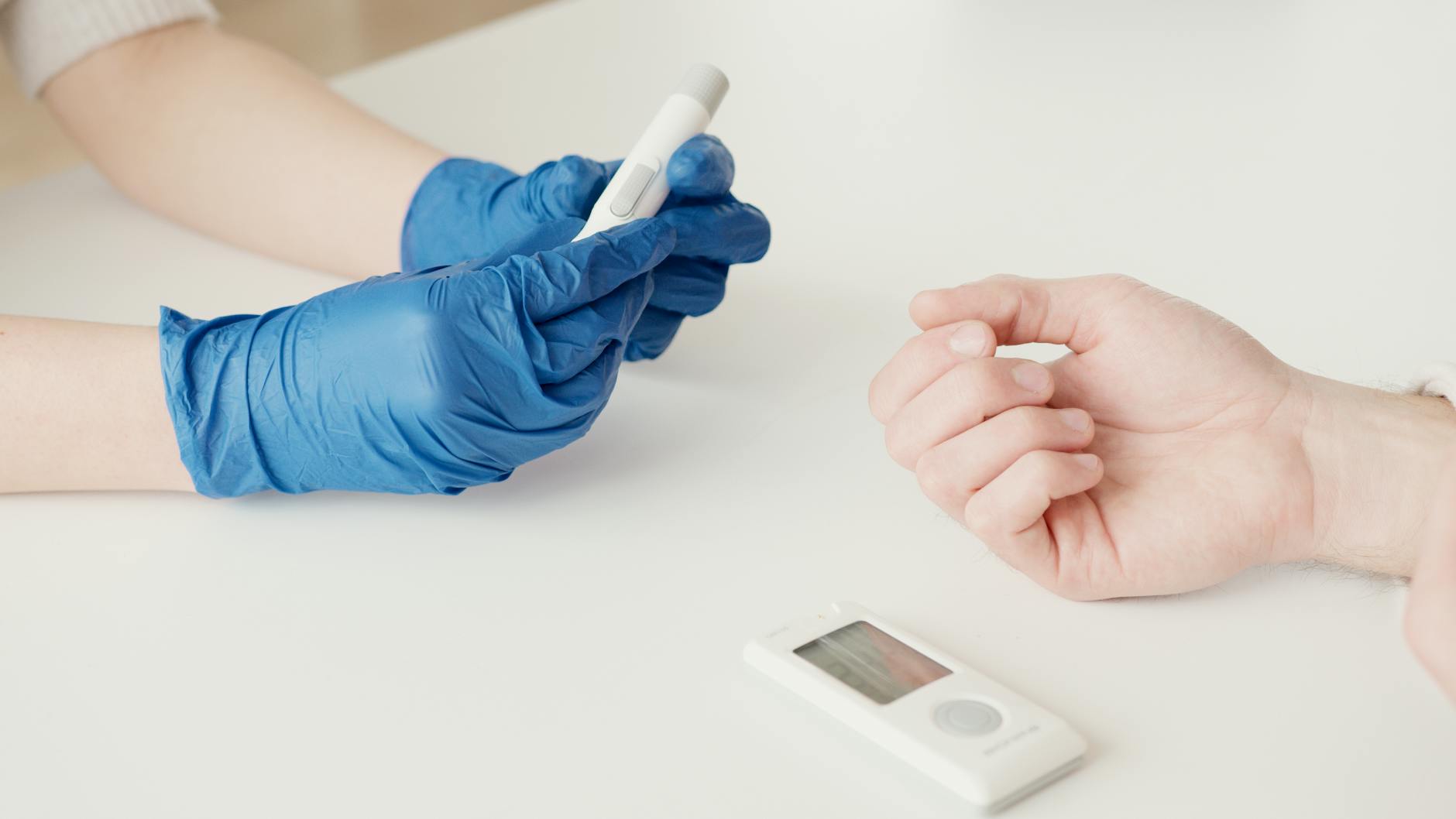
| Finger‑stick glucose | < 100 mg/dL (fasting) < 140 mg/dL (2‑h postprandial) | > 180 mg/dL (persistent) > 250 mg/dL with symptoms | Any time nausea occurs; check immediately |
| Urine ketones | Negative / trace | Moderate or large (≥ 1.5 mmol/L) | If glucose > 250 mg/dL or symptoms suggest DKA |
| Blood beta‑hydroxybutyrate | < 0.6 mmol/L | ≥ 1.0 mmol/L (elevated) ≥ 3.0 mmol/L (DKA) | Gold standard for DKA; available in ER and some home meters |
| Venous pH / bicarbonate | pH 7.35‑7.45 HCO₃ 22‑26 mEq/L | pH < 7.30 HCO₃ < 15 mEq/L | Hospital setting to confirm metabolic acidosis |
For chronic nausea without acute hyperglycemia, clinicians may order a gastric emptying scintigraphy to assess for gastroparesis. HbA1c remains the best marker of average glucose control over the preceding 2–3 months and helps stratify long‑term risk.
Treatment: How to Lower Blood Sugar and Ease Nausea
Treatment depends on severity. For mild hyperglycemia (glucose 180–250 mg/dL) without vomiting, home management may suffice. For moderate to severe cases, medical intervention is necessary.
- Drink water: 8–12 oz every hour to correct dehydration.
- Check for missed insulin or oral medication; take corrective dose as prescribed.
- Light physical activity (e.g., walking) if no ketones are present.
- Avoid high‑carb meals; choose small, low‑glycemic snacks.
- Do not exercise if ketones are positive (risk of worsening acidosis).
- Administer rapid‑acting insulin per sick‑day rules (typically 10–20% of total daily dose).
- Seek medical evaluation if unable to keep fluids down.
- ER may give intravenous fluids, insulin drip, and electrolyte replacement.
The American Diabetes Association recommends checking blood glucose and urine/blood ketones every 4 hours during illness. If glucose exceeds 250 mg/dL or ketones appear, call your healthcare provider for dose adjustments.
When to See a Doctor – Red Flags
Even if the nausea seems mild, certain situations warrant professional attention.
People with diabetes should have a sick‑day plan written by their endocrinologist or primary care provider. If you don’t have one, request one at your next appointment.
Prevention and Lifestyle Strategies
Preventing hyperglycemia‑induced nausea centers on consistent blood glucose management and recognizing early warning signs.
- Stay hydrated: Dehydration accelerates glucose concentration. Aim for 64–96 oz of water daily, more in hot weather or during illness.
- Time your medications: Taking insulin or oral agents with meals (as prescribed) reduces post‑meal spikes that can trigger nausea.
- Eat small, frequent meals: Large meals delay gastric emptying and amplify hyperglycemia. Six small meals with balanced macronutrients are often better tolerated.
- Monitor glucose regularly: Self‑monitoring 4–6 times daily helps detect trends before nausea develops. Continuous glucose monitors (CGM) provide alerts for high glucose.
- Manage stress: Stress hormones (cortisol, epinephrine) raise blood sugar and can worsen nausea. Mindfulness, deep breathing, and adequate sleep are beneficial.
A 2023 meta‑analysis in Diabetes Care found that structured diabetes self‑management education reduced hyperglycemic events by 47% and associated nausea by 38% among adults with type 2 diabetes.
Common Myths About High Blood Sugar and Nausea
False. Some people experience nausea at glucose levels as low as 200–250 mg/dL, especially if levels have been poorly controlled. Individual thresholds vary based on gastric sensitivity, hydration status, and background insulin levels.
False. Nausea can result from simple hyperglycemia without ketones. However, the absence of ketones does not rule out HHS (which also causes nausea). Always check both glucose and ketones.
True. Persistent nausea and vomiting despite correction doses may indicate that basal insulin (e.g., long‑acting) is too low or that a concurrent illness (infection, gastroparesis) is complicating glucose control.
Frequently Asked Questions
Can high blood sugar cause vomiting without ketones?
Yes. Severe hyperglycemia (e.g., 400–600 mg/dL in HHS) can cause vomiting due to osmotic diuresis, dehydration, and electrolyte disturbances, even without significant ketone production. HHS is common in type 2 diabetes and carries a high mortality rate if untreated.
What should I eat when I have nausea and high blood sugar?
Choose bland, low‑carbohydrate, low‑fat foods that are easy on the stomach: clear broth, sugar‑free gelatin, unsalted crackers, apple sauce (unsweetened), boiled potatoes, or a small portion of plain rice. Avoid dairy, greasy foods, and high‑fiber vegetables temporarily.
Is nausea from high blood sugar a sign that I need to go to the ER?
Not always, but you should go to the ER if nausea is accompanied by vomiting (especially if you cannot hold fluids), confusion, rapid breathing, fruity breath, or glucose >350 mg/dL despite correction. When in doubt, call your provider or present to urgent care.
Can metformin cause nausea even when blood sugar is normal?
Yes. Metformin‑associated nausea is a common side effect, particularly at the start of therapy or after dose increases. It is unrelated to blood glucose levels. Taking metformin with the largest meal, using extended‑release formulations, or slowly titrating the dose can reduce symptoms.
How long does nausea last after high blood sugar is corrected?
Most patients feel relief within 2–6 hours after glucose returns to target range and rehydration occurs. However, if gastroparesis is present, the nausea may persist for days and require prokinetic medications (e.g., metoclopramide, domperidone) or dietary modifications.