Persistent thirst that disrupts sleep and daily life can signal dangerously elevated glucose levels. Learn the physiology, diagnostic thresholds, treatment protocols, and emergency red flags from the GlucoHarbor Medical Team.
- What Is Polydipsia? The Link to Hyperglycemia
- Causes of Excessive Thirst in Diabetes
- Symptoms Beyond Thirst: When to Suspect High Blood Sugar
- Diagnosis: How Doctors Confirm the Connection
- Blood Sugar Thresholds That Trigger Thirst
- Treatment and Management of Polydipsia in Diabetes
- Complications of Uncontrolled Hyperglycemia and Thirst
- When to See a Doctor and Emergency Signs
- Common Myths About Thirst and Blood Sugar
- Frequently Asked Questions
What Is Polydipsia? The Link to High Blood Sugar
Polydipsia — the medical term for excessive thirst — is one of the classic “three Ps” of diabetes (polyuria, polydipsia, polyphagia). When blood glucose levels rise above approximately 180 mg/dL (10.0 mmol/L), the kidneys can no longer reabsorb all the glucose, and it spills into the urine. This glucose draws water with it osmotically, causing osmotic diuresis — frequent urination (polyuria) and subsequent dehydration. The brain's thirst center, located in the hypothalamus, then signals you to drink more to compensate. In 2026, with over 537 million adults living with diabetes worldwide (IDF Diabetes Atlas, 10th edition), polydipsia remains one of the earliest and most reliable indicators of hyperglycemia.
Polydipsia is defined as persistent, excessive thirst that leads to drinking more than 3 liters of fluid per day in adults. It is a cardinal symptom of diabetes mellitus, but can also occur in diabetes insipidus, psychogenic polydipsia, and certain electrolyte disturbances.
The underlying mechanism is straightforward: high extracellular glucose increases serum osmolality. Osmoreceptors in the anterior hypothalamus sense this change and trigger the sensation of thirst. Simultaneously, the posterior pituitary releases antidiuretic hormone (ADH) in an attempt to conserve water — but when hyperglycemia is severe, ADH is often overwhelmed. Studies show that polydipsia correlates strongly with HbA1c levels above 8% (64 mmol/mol) (American Diabetes Association, 2024 Standards of Care).
Causes of Excessive Thirst Associated with High Blood Sugar
While diabetes mellitus — both type 1 and type 2 — is the most common cause, there are other medical and lifestyle factors that can produce the same symptom. Understanding the root cause is essential for appropriate management.
Uncontrolled Diabetes — type 1, type 2, and gestational
In type 1 diabetes, autoimmune destruction of beta cells leads to absolute insulin deficiency and rapid onset of hyperglycemia. Polydipsia often appears within days to weeks. In type 2 diabetes, insulin resistance gradually raises blood sugar; thirst may develop more insidiously but is equally important. Gestational diabetes can also cause polydipsia, typically after the 24th week of pregnancy.
Osmotic Diuresis from Medications — diuretics, SGLT2 inhibitors, corticosteroids
SGLT2 inhibitors (empagliflozin, dapagliflozin) reduce blood glucose by excreting it in urine, which can cause polyuria and thirst as a predictable effect. Loop diuretics (furosemide) and high-dose corticosteroids also promote fluid loss. While not always a sign of hyperglycemia, the thirst can be significant and must be monitored for dehydration risk.
Diabetes Insipidus — central or nephrogenic
This rare condition is marked by inability to concentrate urine due to ADH deficiency (central) or renal resistance to ADH (nephrogenic). It mimics diabetes mellitus with polyuria and polydipsia, but blood glucose is normal. A water deprivation test differentiates the two.
Dietary Factors — high sugar intake, dehydration, low-carb adaptation
Consuming large amounts of sugary beverages can cause transient hyperglycemia and thirst. Dehydration from insufficient water intake is a common confounder. On very low-carb or ketogenic diets, initial diuresis from glycogen breakdown can cause temporary thirst — but blood sugar is typically low, not high.
Symptoms Beyond Thirst: When to Suspect High Blood Sugar
Excessive thirst rarely occurs in isolation. The classic triad — polydipsia, polyuria, polyphagia — is highly suggestive of hyperglycemia. However, many patients also report fatigue, blurred vision, dry mouth, unintentional weight loss, and frequent infections. Recognizing the full picture helps differentiate diabetes from other causes of thirst.
In type 1 diabetes, symptoms can escalate rapidly into diabetic ketoacidosis (DKA). Warning signs include nausea, vomiting, abdominal pain, fruity breath, and deep, rapid breathing (Kussmaul respirations). If you or someone you know has excessive thirst plus any of these DKA symptoms, seek emergency medical care immediately.
Diagnosis: How Doctors Confirm the Link Between Thirst and Hyperglycemia
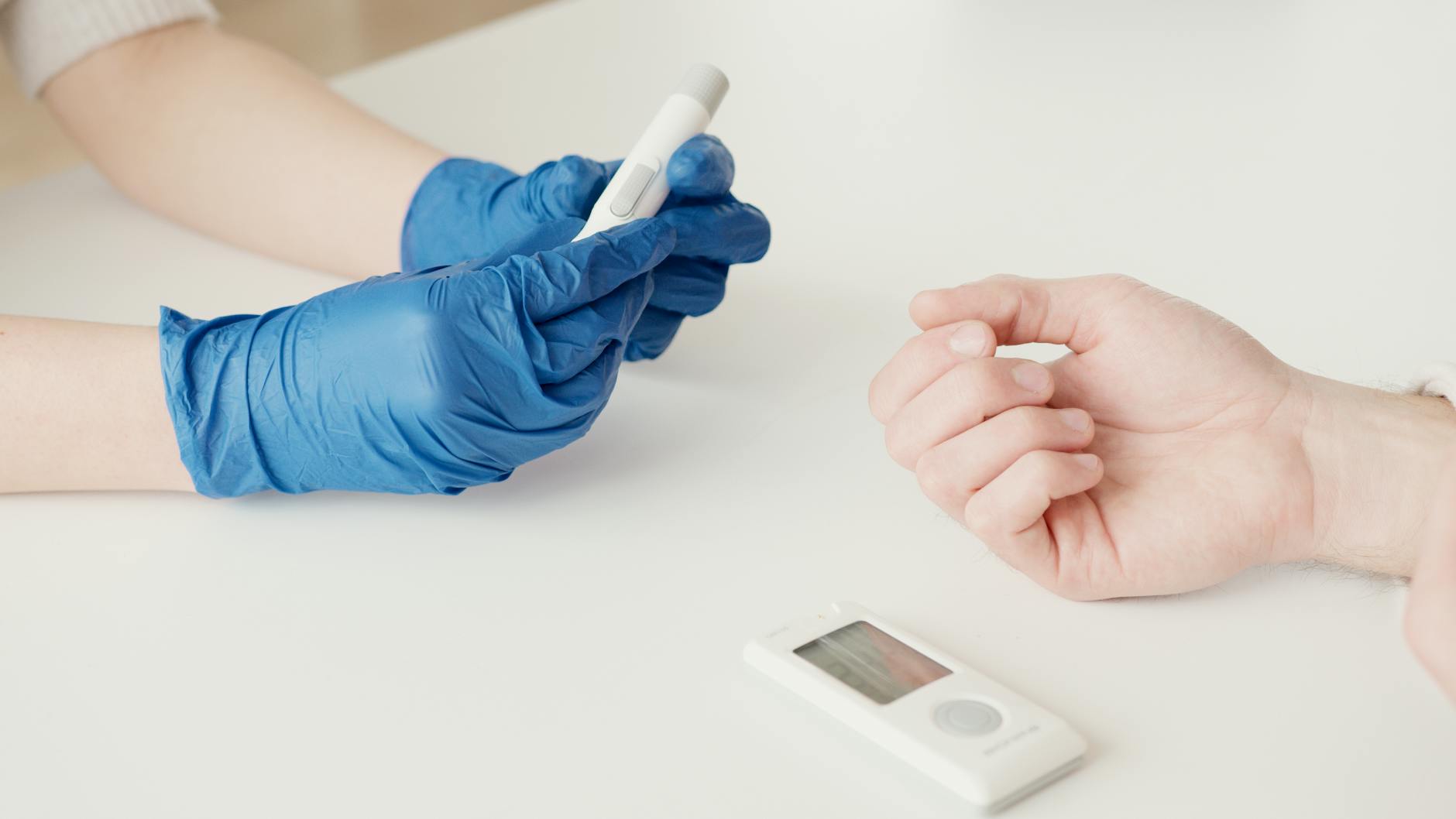
The diagnostic approach begins with a thorough history: onset, duration, fluid intake (type and volume), urine output, and associated symptoms. Then laboratory testing is used to confirm hyperglycemia.
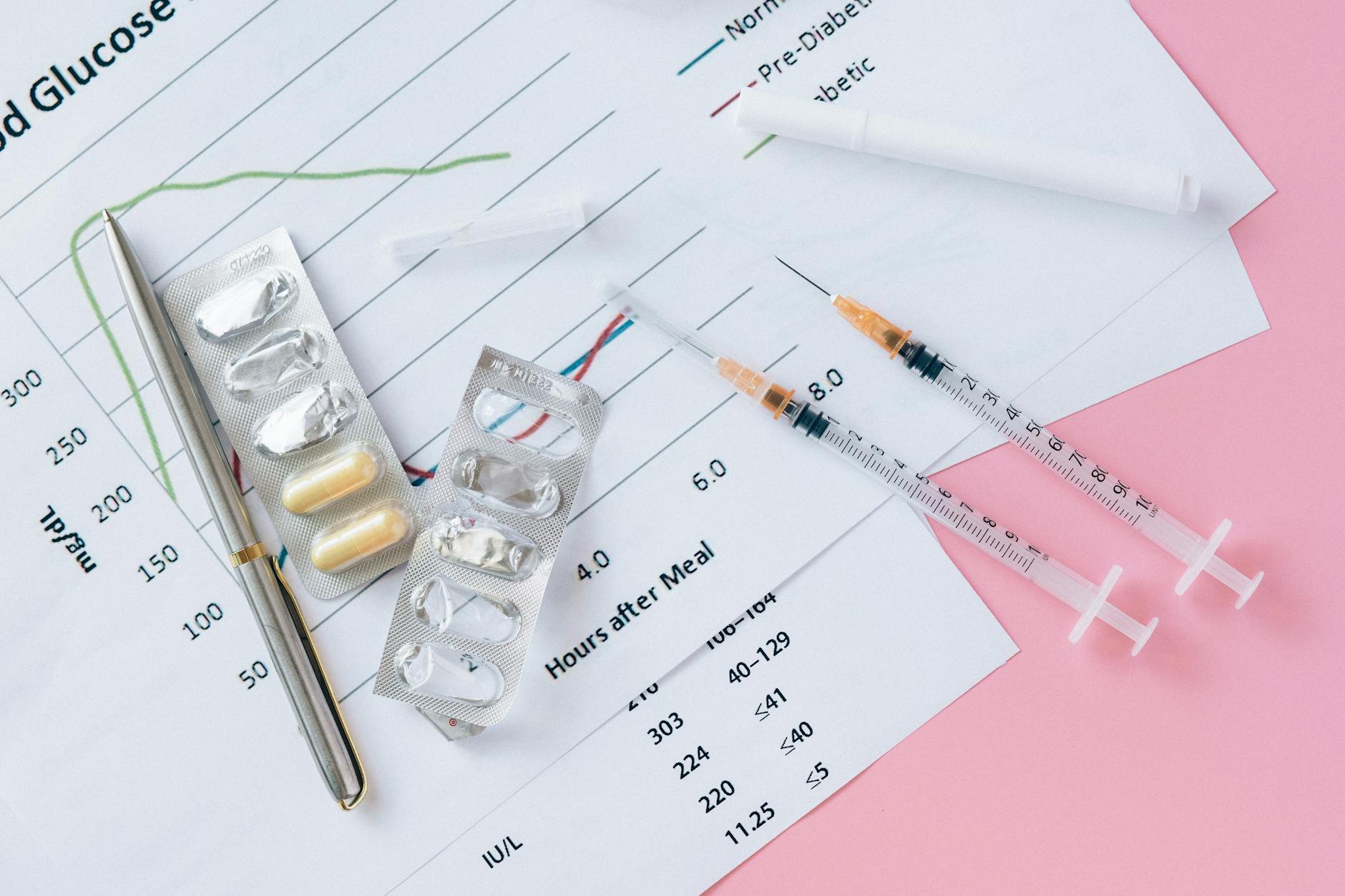
| Test | Threshold for Diabetes | Notes |
|---|---|---|
| Fasting plasma glucose (FPG) | ≥126 mg/dL (7.0 mmol/L) | Requires 8-hour fast |
| 2-hour oral glucose tolerance test (OGTT) | ≥200 mg/dL (11.1 mmol/L) | 75 g glucose load |
| Hemoglobin A1c | ≥6.5% (48 mmol/mol) | Reflects average glucose over 2–3 months |
| Random plasma glucose | ≥200 mg/dL with classic symptoms | No need for fasting; diagnostic if symptoms present |
If polydipsia and polyuria are present but blood glucose is normal, the differential includes diabetes insipidus, primary polydipsia, and electrolyte disorders. A serum osmolality, urine osmolality, and sodium level help distinguish these.
Blood Sugar Thresholds That Trigger Excessive Thirst
Not every instance of high blood sugar causes thirst. Clinical research and endocrine physiology identify a renal threshold for glucose — typically around 180–200 mg/dL (10–11.1 mmol/L) in people with normal kidney function. Above this level, glucose overwhelms the proximal tubule transporters, resulting in glycosuria and osmotic diuresis.
However, in chronic hyperglycemia, some patients develop a higher renal threshold, meaning they may not experience thirst until blood glucose exceeds 250 mg/dL or even higher. Conversely, individuals with low kidney function or certain tubular disorders can experience glycosuria at lower levels. The ADA recommends that patients with diabetes monitor for polydipsia as a surrogate for glucose control — if thirst returns, it often indicates a glucose spike above the personal threshold.
A 2023 study in Diabetes Care found that people with type 2 diabetes who reported new or worsened polydipsia had a 2.4-fold higher risk of having a blood glucose level above 300 mg/dL within the next 2 hours. Keeping a thirst diary can be an affordable self-monitoring tool.
Treatment and Management of Polydipsia in Diabetes
The goal is to lower blood glucose to sub-threshold levels (<180 mg/dL) to stop osmotic diuresis. Management is multimodal and depends on diabetes type and severity.
Requires immediate insulin therapy. Basal-bolus regimens or insulin pumps mimic physiologic insulin. Blood glucose targets: 70–180 mg/dL (ADA 2025). Polydipsia resolves within hours of insulin initiation.
Lifestyle modifications (diet, exercise) plus oral agents (metformin, SGLT2i, GLP-1 RA). If HbA1c >9%, consider combination therapy or insulin. Polydipsia improves as glycemic control is achieved.
Complications of Uncontrolled Hyperglycemia Underscored by Polydipsia
Ignoring persistent thirst and the underlying high blood sugar can lead to severe acute and chronic complications.
If excessive thirst is accompanied by vomiting, confusion, rapid breathing, or a fruity odor on the breath, call emergency services immediately. These are signs of DKA or HHS and require hospital-level care.
When to See a Doctor and Emergency Signs
A single episode of thirst after a heavy meal or exercise is normal. However, the following scenarios warrant medical evaluation: thirst persisting for more than 2–3 days, drinking more than 4 liters daily, waking multiple times at night to urinate, or weight loss without trying. Additionally, if you have known diabetes and your thirst pattern changes, it may signal worsening control or intercurrent illness.
Common Myths About Excessive Thirst and High Blood Sugar
Many conditions cause polydipsia: primary polydipsia, medications, diabetes insipidus, and even anxiety. However, when combined with polyuria, diabetes is the most common cause and should be ruled out first.
While hydration is important, drinking water does not lower blood glucose. The underlying hyperglycemia must be treated with insulin or other glucose-lowering therapies. Water alone cannot break the osmotic diuresis cycle.
Thirst is a strong indicator, but not absolute. In some individuals, especially older adults with blunted thirst sensation, blood sugar can be very high without noticeable thirst. Conversely, thirst can occur with normal blood sugar in other conditions. Always confirm with a glucose test.
Frequently Asked Questions
How much water should I drink if my blood sugar is high?
Drink enough to stay hydrated — typically 8–10 glasses (2–2.5 liters) per day, but avoid excessive intake. Overhydration can dilute electrolytes. If you have kidney disease, follow your doctor’s fluid restrictions. Sip water slowly; do not chug.
Can excessive thirst be the only symptom of diabetes?
Yes, especially in early type 2 diabetes. Many individuals have no other symptoms and are diagnosed during routine blood work. If you have persistent thirst without explanation, ask your doctor for a fasting glucose or HbA1c test.
Does drinking diet soda or sugar-free drinks help?
Diet sodas are calorie-free and do not raise blood sugar directly, but they may increase cravings and have been linked to insulin resistance in some observational studies. Water remains the best choice. Unsweetened herbal teas are also acceptable.
How quickly does polydipsia resolve after starting treatment?
In type 1 diabetes, thirst often resolves within 12–24 hours of insulin therapy once glucose drops below the renal threshold. In type 2 diabetes, improvement may take several days to weeks as glucose gradually normalizes. Continued thirst after treatment suggests inadequate glucose control or another cause.
Can stress or anxiety cause excessive thirst without high blood sugar?
Yes, psychogenic polydipsia is a recognized condition where patients drink large volumes of water due to psychological causes, often with normal blood glucose. However, stress also raises cortisol and can increase blood sugar in people with diabetes, indirectly causing thirst. It is important to measure actual glucose levels.