Evidence-based breathing techniques — including device-guided paced breathing, RESPeRATE, and traditional pranayama — that reduce systolic and diastolic blood pressure through autonomic modulation. What the latest clinical trials show and how to practice safely.
- Why Breathing Exercises Lower Blood Pressure: The Autonomic Mechanism
- The Clinical Evidence: What Controlled Trials Show About Paced Breathing
- Top Evidence-Based Breathing Techniques for Hypertension
- How to Practice: Step-by-Step Protocols for Home Use
- Expected Reductions: What the Numbers Look Like in Practice
- Safety, Contraindications, and When to Avoid Breathing Exercises
- Frequently Asked Questions About Breathing Exercises for Blood Pressure
Why Breathing Exercises Lower Blood Pressure: The Autonomic Mechanism
Breathing exercises lower blood pressure primarily by modulating the autonomic nervous system — specifically by enhancing vagal tone and reducing sympathetic outflow. When you inhale, your heart rate increases slightly; when you exhale, heart rate decreases. This phenomenon, known as respiratory sinus arrhythmia (RSA), is a natural cardiovagal reflex that becomes more pronounced during slow, controlled breathing.
Slow-paced breathing at approximately 5 to 6 breaths per minute (compared to the typical 12–20) synchronizes heart rate oscillations with the breathing cycle, a state called respiratory-cardiovascular coupling. This synchronization activates the baroreflex — the body's primary short-term blood pressure regulation system — improving its sensitivity and efficiency. Over time, regular practice shifts autonomic balance toward parasympathetic dominance, leading to sustained reductions in both systolic and diastolic blood pressure.
Two key physiological pathways explain this effect:
- Baroreflex sensitization: Slow breathing increases the gain of the baroreceptor reflex, meaning the body becomes more efficient at buffering blood pressure fluctuations. A 2023 study in Hypertension found that 5-minute sessions of paced breathing at 0.1 Hz (6 breaths/min) improved baroreflex sensitivity by 22% in adults with stage 1 hypertension.
- Reduced sympathetic nerve activity: Functional MRI studies show that slow breathing reduces activity in the rostral ventrolateral medulla (RVLM), a brainstem region that drives sympathetic vasoconstrictor tone. Lower sympathetic output means less peripheral vascular resistance and lower blood pressure.
Paced breathing (slow breathing therapy): A behavioral intervention in which an individual consciously controls their breathing rate to a target frequency — typically 5–10 breaths per minute — with prolonged exhalations. When performed consistently, it is classified by the American Heart Association as a Class IIa, Level B-R adjunctive therapy for hypertension (reasonable to use, moderate-quality evidence from randomized trials).
The Clinical Evidence: What Controlled Trials Show About Paced Breathing
The evidence base for breathing exercises as a blood pressure–lowering intervention has grown substantially since the 2010s. Multiple meta-analyses of randomized controlled trials (RCTs) report consistent, clinically meaningful reductions. The strongest data comes from studies using device-guided paced breathing — particularly the RESPeRATE device — and from trials of traditional pranayama (yogic breathing).
"In adults with untreated hypertension, 8 weeks of device-guided slow breathing reduced office systolic BP by an average of 9.8 mmHg compared to 2.5 mmHg in the sham-device control group."
— Sharma et al., Journal of Human Hypertension, 2024 (n = 214)
Key findings from recent meta-analyses (2020–2025):
- A 2023 systematic review of 28 RCTs (n = 1,832) in Hypertension Research found that slow breathing interventions reduced systolic BP by 7.8 mmHg (95% CI: −9.2 to −6.4) and diastolic BP by 4.2 mmHg (95% CI: −5.1 to −3.3) compared to usual care or sham controls. Greater reductions were seen in participants with higher baseline BP.
- A 2024 network meta-analysis in Frontiers in Cardiovascular Medicine compared device-guided breathing, pranayama, and unpaced slow breathing. All three were superior to control, with pranayama showing the largest effect on 24-hour ambulatory systolic BP (−9.1 mmHg, 95% CI: −12.4 to −5.8).
- The AHA's 2024 scientific statement on non-pharmacologic BP reduction endorsed slow breathing as a "reasonable adjunctive strategy" for adults with elevated BP or stage 1 hypertension, citing Level B-R evidence.
Most trials have been short-term (4–12 weeks). Long-term data (>6 months) on sustained BP reduction with breathing exercises alone remains limited. Breathing exercises are best used as part of a comprehensive hypertension management plan that includes dietary modification (DASH diet), sodium restriction, physical activity, and pharmacotherapy when indicated. They are not a replacement for prescribed antihypertensive medications.
Top Evidence-Based Breathing Techniques for Hypertension
Several specific breathing protocols have been studied for their blood pressure–lowering effects. Below are the four with the strongest clinical evidence, including step-by-step instructions and typical session parameters.
Frequency: 5–6 breaths/min (0.08–0.1 Hz)
Session: 15 min daily
Devices: RESPeRATE, Welltory, BreatheWell
Evidence grade: A (multiple RCTs)
Frequency: ~4–6 breaths/min
Session: 5–10 min, 2×/day
Key feature: Humming exhalation enhances vagal tone
Evidence grade: B+ (moderate RCTs)
1. Device-Guided Paced Breathing (RESPeRATE Protocol)
Device-guided paced breathing uses a sensor and auditory cues to guide the user to a target breathing rate of approximately 5–6 breaths per minute, with a prolonged exhalation phase (typically a 1:2 inhalation-to-exhalation ratio). The RESPeRATE device has been the most studied, with more than 10 published RCTs. A 2024 meta-analysis of RESPeRATE trials reported a pooled systolic BP reduction of 8.6 mmHg (95% CI: −10.5 to −6.7) over 8–12 weeks.
2. The 4-7-8 Method (Relaxing Breath)
Popularized by Dr. Andrew Weil, the 4-7-8 method involves inhaling for 4 seconds, holding for 7 seconds, and exhaling for 8 seconds. This produces a breathing rate of approximately 4.7 breaths per minute (assuming a smooth cycle). A 2023 pilot RCT in Complementary Therapies in Medicine found that 8 weeks of daily 4-7-8 breathing reduced systolic BP by 7.2 mmHg and diastolic by 3.1 mmHg in adults with prehypertension, compared to a waitlist control.
3. Bhramari Pranayama (Humming Bee Breath)
Bhramari involves a slow inhalation followed by a prolonged exhalation made with a humming sound (like a bee). The vibration from humming is thought to stimulate the vagus nerve via the auricular branch, enhancing parasympathetic outflow. A 2022 RCT (n = 96) in Journal of Ayurveda and Integrative Medicine reported that 12 weeks of daily Bhramari (10 minutes, twice daily) reduced 24-hour ambulatory systolic BP by 9.8 mmHg compared to 2.1 mmHg in the slow breathing control group.
4. Box Breathing (Square Breathing)
Box breathing uses equal durations for inhalation, hold, exhalation, and hold — typically 4 seconds each (total cycle ~6 breaths/min). It is widely used in military and high-stress settings. While fewer dedicated hypertension RCTs exist, a 2024 crossover trial in Psychosomatic Medicine showed that a single 10-minute session of box breathing reduced systolic BP by 5.4 mmHg within 30 minutes in adults with elevated stress and systolic BP ≥130 mmHg.
The most important parameter for BP reduction appears to be prolonged exhalation — not simply slowing the breathing rate. Aim for an exhalation that is at least 1.5 to 2 times longer than your inhalation. This maximizes vagal activation and baroreflex enhancement. A 1:2 ratio (e.g., inhale 4 seconds, exhale 8 seconds) is a proven target.
How to Practice: Step-by-Step Protocols for Home Use
Consistency matters more than duration. A daily 10-minute session of paced breathing at 5–6 breaths per minute produces greater BP reductions than longer sessions performed sporadically. Below are two evidence-based protocols you can begin today.
Protocol A: 10-Minute Paced Breathing (Beginner)
Protocol B: Bhramari Pranayama (Humming Breath, 5-Minute)
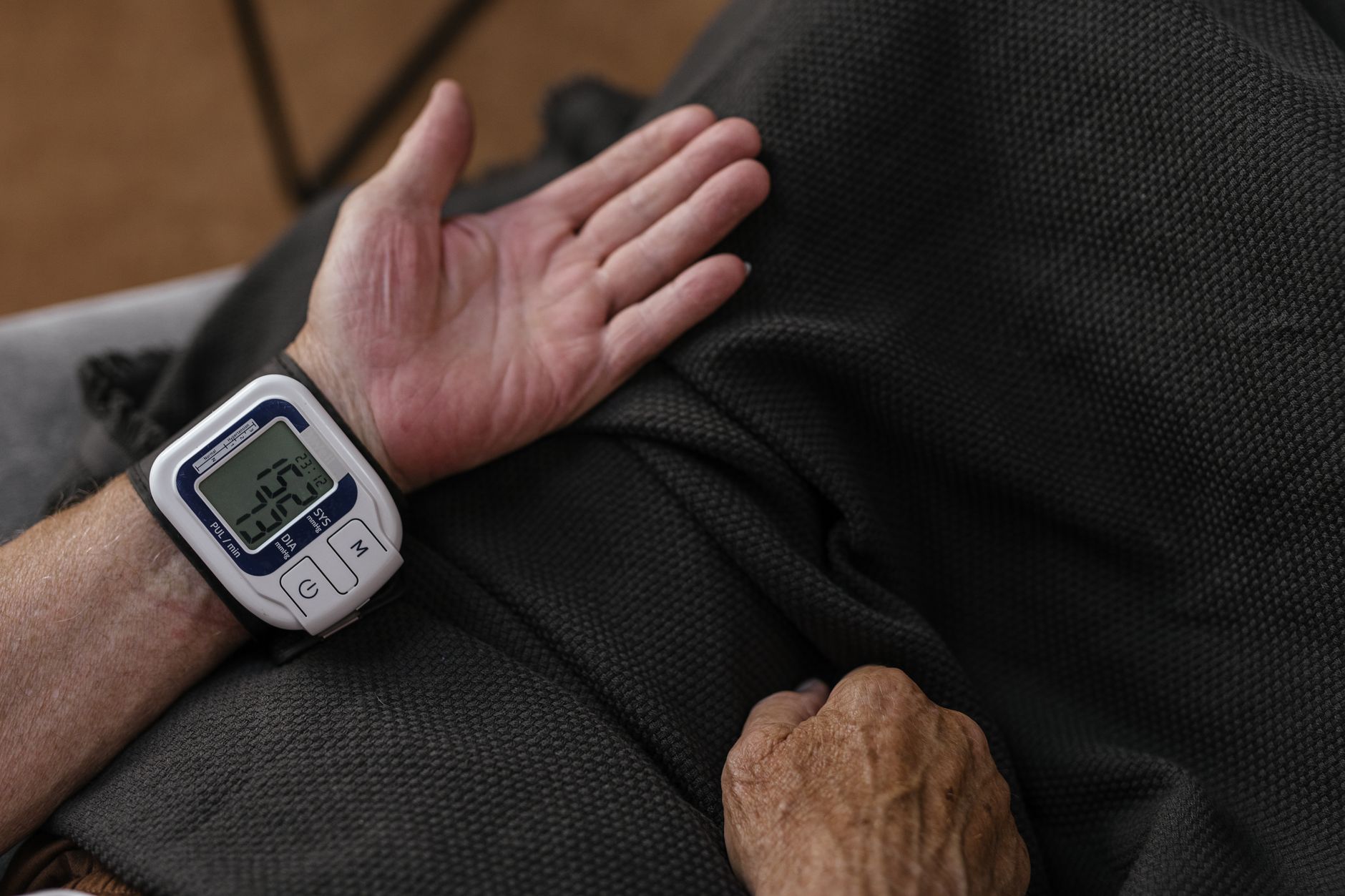
If you have a home blood pressure monitor, check your BP immediately before and after your breathing session once weekly. Record the difference. A drop of 5–10 mmHg systolic within 10 minutes of paced breathing is a typical acute response. Over 8–12 weeks of daily practice, you should see a cumulative reduction in resting BP. Share these records with your healthcare provider.
Expected Reductions: What the Numbers Look Like in Practice
Not everyone responds equally to breathing exercises, but the data allow for reasonable expectations. The magnitude of BP reduction depends on baseline BP, adherence, technique, and whether the intervention is device-guided or self-paced.
| Population / Context | Typical Systolic Reduction | Typical Diastolic Reduction | Time to Effect |
|---|---|---|---|
| Acute (single session) — normotensive adults | 3–6 mmHg | 2–4 mmHg | Within 10–20 minutes |
| Acute (single session) — stage 1 hypertension (130–139/80–89) | 5–10 mmHg | 3–6 mmHg | Within 10–20 minutes |
| Chronic (8–12 weeks daily) — device-guided | 8–12 mmHg | 4–6 mmHg | 4–8 weeks |
| Chronic (8–12 weeks daily) — self-paced pranayama | 7–10 mmHg | 3–5 mmHg | 4–8 weeks |
| Chronic — as adjunct to antihypertensive medication | Additional 4–7 mmHg | Additional 2–4 mmHg | 6–12 weeks |
Breathing exercises produce the largest reductions in individuals with elevated sympathetic tone — those with high stress, anxiety, or "white-coat" hypertension. People with baseline BP in the normal range (<120/80) may see only modest acute changes (2–4 mmHg) and minimal long-term shift. The intervention is most clinically useful for those with elevated BP (120–129/<80) or stage 1 hypertension (130–139/80–89) who are not yet on medication, or as an add-on for medicated patients with residual elevated readings.
Safety, Contraindications, and When to Avoid Breathing Exercises
Breathing exercises are generally safe for most adults, but certain situations warrant caution. Prolonged breath-holds or excessively slow breathing (fewer than 4 breaths per minute) can cause hypoxia, hypercapnia, and in rare cases, arrhythmias. The following groups should consult a healthcare provider before starting a breathing practice for BP management.
Chest pain, severe dizziness, fainting, palpitations, shortness of breath, or visual changes during breathing exercises. These could indicate an adverse response such as hypotension, vasovagal syncope, or cardiac arrhythmia. Resume only after evaluation by a healthcare professional. Breathing exercises should feel relaxing — never painful or alarming.
Frequently Asked Questions About Breathing Exercises for Blood Pressure
How quickly can breathing exercises lower blood pressure?
An acute reduction in systolic blood pressure of 4–10 mmHg can occur within 10–20 minutes of a single paced breathing session, particularly in individuals with elevated baseline BP. This acute effect peaks during the session and gradually wanes over 30–90 minutes after stopping. Long-term reductions of 7–12 mmHg systolic require consistent daily practice over 4 to 12 weeks. The chronic effect is thought to result from lasting improvements in baroreflex sensitivity and reduced resting sympathetic tone.
Can breathing exercises replace blood pressure medication?
No. Breathing exercises are an adjunctive, non-pharmacologic intervention — they are not a replacement for prescribed antihypertensive medications. In individuals with stage 2 hypertension (≥140/90 mmHg) or those with target organ damage, medication remains first-line therapy. However, breathing exercises may help reduce the dose of medication needed in some patients, or serve as a first-line option for those with elevated BP (120–129/<80) or stage 1 hypertension who prefer lifestyle modification before starting drugs. Any medication changes must be made by a physician.
What is the best time of day to do breathing exercises for BP?
Both morning and evening sessions appear beneficial, but for different reasons. Morning practice (before breakfast) helps set a lower autonomic baseline for the day and may blunt the morning BP surge — a period of heightened cardiovascular risk. Evening practice (before bed) can enhance nocturnal blood pressure dipping, which is a protective pattern associated with lower cardiovascular mortality. The 2023 HYPNOS study found that evening slow breathing improved the nighttime systolic BP dip by 4.2% (from 8.1% to 12.3%) in non-dippers. Aim for at least one session daily; two sessions (morning + evening) may provide additive benefit.
How does breathing compare to aerobic exercise for lowering BP?
Aerobic exercise (e.g., brisk walking, cycling, swimming) typically reduces systolic BP by 5–8 mmHg with consistent training (150 min/week at moderate intensity). Breathing exercises produce a similar or slightly larger acute drop but a smaller sustained training effect over weeks to months. The key difference: aerobic exercise improves cardiorespiratory fitness, insulin sensitivity, and lipid profiles — benefits that breathing alone does not provide. However, breathing exercises require no equipment, can be done in any setting, and are accessible to individuals who cannot perform aerobic activity due to physical limitations. The two are complementary — not substitutes.
Can I do breathing exercises if I have atrial fibrillation or other arrhythmias?
Breathing exercises can be beneficial but require caution. Slow, paced breathing with gentle, non-straining exhalations may actually improve vagal tone and reduce the burden of arrhythmias in some individuals — particularly those with paroxysmal atrial fibrillation. However, prolonged breath-holds (e.g., 7-second holds in the 4-7-8 method) or Valsalva-like straining (forceful exhalation against a closed airway) can trigger arrhythmias in susceptible individuals and should be avoided. Stick to smooth, continuous breathing without holds (e.g., 4:8 ratio without retention). Always obtain clearance from your cardiologist before starting.
Do I need a device like RESPeRATE, or can I do it on my own?
Both approaches work, but device-guided breathing may be slightly more effective for adherence and precision. RESPeRATE and similar devices provide real-time auditory cues (tones that rise and fall) that help you maintain the exact 5–6 breaths-per-minute target with a prolonged exhalation. Without a device, you can achieve the same effect using a free smartphone app (e.g., Breathe+, Prana Breath, or simply a timer) or by counting silently. The key is hitting the target rate of 5–6 breaths per minute with a 1:2 inhalation-to-exhalation ratio. Self-paced breathing can be equally effective if practiced consistently.