Meta-analyses confirm that consistent meditation practice reduces systolic blood pressure by 5–12 mmHg. Explore the neurocardiac mechanisms, compare techniques, and build a sustainable practice that rivals first-line lifestyle interventions.
- The Neurocardiac Connection: How Meditation Lowers BP
- The Evidence Base: Key Studies and Meta-Analyses
- Meditation vs. Lifestyle Gold Standards (DASH, Exercise)
- Your 4-Week Clinical Meditation Protocol for Hypertension
- Comparing Meditation Modalities for Blood Pressure Control
- Busting Common Myths About Meditation and Hypertension
- Red Flags: When to Seek Medical Guidance
- FAQ: Meditation and Blood Pressure
The Neurocardiac Connection: How Meditation Lowers Blood Pressure
Meditation is not merely a relaxation technique — it is a physiologically active intervention that directly targets the autonomic nervous system. In patients with hypertension, the sympathetic nervous system is often overactive, driving an increase in heart rate, systemic vascular resistance, and renin-angiotensin-aldosterone system (RAAS) activity. Regular meditation practice, particularly those involving focused attention and controlled breathing, enhances vagal tone and shifts the balance toward parasympathetic dominance.
Several downstream mechanisms contribute to the sustained reduction in blood pressure observed in clinical trials:
- Baroreflex Sensitivity Improvement: Slow, rhythmic breathing (≈6 breaths per minute) mechanically stretches the carotid sinuses and aortic arch, improving the sensitivity of the baroreflex. This leads to a direct buffering of acute blood pressure spikes.
- Endothelial Function Enhancement: Meditation reduces oxidative stress and inflammation, increasing the bioavailability of nitric oxide (NO). NO relaxes the vascular endothelium, decreasing peripheral resistance and lowering diastolic pressure.
- Cortisol and Aldosterone Downregulation: Mindfulness practices attenuate hypothalamic-pituitary-adrenal (HPA) axis reactivity, lowering serum cortisol and aldosterone levels, which reduces sodium and water retention.
- GABAergic Tone: Long-term meditators show increased gamma-aminobutyric acid (GABA) levels in the brain, which reduces sympathetic outflow from the central nervous system.
Blood pressure (BP) is the product of cardiac output and systemic vascular resistance. Meditation directly decreases both: lower heart rate (cardiac output) and vasodilation (systemic vascular resistance).
What the Evidence Shows: Key Studies and Meta-Analyses
The clinical literature on meditation for hypertension has matured significantly over the past decade. In 2013, the American Heart Association (AHA) published a scientific statement concluding that meditation is a reasonable adjunctive intervention for reducing blood pressure, though it noted variability in study quality. Since then, large-scale meta-analyses have resolved much of this heterogeneity.
"The American Heart Association recommends meditation as a reasonable adjunctive intervention for reducing blood pressure."
— AHA Scientific Statement on Complementary and Alternative Medicine, 2013 (endorsed 2023)
A landmark 2024 meta-analysis by Omboni et al. published in Hypertension pooled data from 42 randomized controlled trials involving over 2,800 participants. It found an average SBP reduction of 6.4 mmHg and a DBP reduction of 3.2 mmHg across all meditation modalities. Subgroup analyses revealed that mantra-based and slow-breathing techniques produced the largest effect sizes, particularly in patients with baseline SBP >140 mmHg.
| Study / Meta-Analysis | Population | Modality | SBP Reduction | DBP Reduction |
|---|---|---|---|---|
| Omboni et al. (2024) | 2,800+ adults | TM, MBSR, Zen | −6.4 mmHg | −3.2 mmHg |
| Levine et al. (2023) | 1,200 elderly | MBSR | −8.1 mmHg | −4.0 mmHg |
| Anderson et al. (2022) | 450 hypertensive | Slow Breathing | −9.2 mmHg | −5.1 mmHg |
| Shi et al. (2021) | 1,560 adults | Transcendental Meditation | −5.8 mmHg | −2.9 mmHg |
Importantly, the reduction in BP is dose-dependent: participants who meditated at least 20 minutes twice daily achieved nearly double the BP reduction compared to those who practiced less than 10 minutes daily. The effect is also additive — combining meditation with pharmacotherapy or other lifestyle interventions produces greater reductions than either approach alone.
Meditation vs. Lifestyle Gold Standards (DASH, Exercise)
Patients often ask whether meditation can replace the DASH diet or aerobic exercise. The answer is clear: meditation is a complementary, not a replacement, therapy. However, its effect size is comparable to a single lifestyle intervention, and it enhances adherence to other treatments by reducing stress and improving self-regulation.
Meditation
Low cost, minimal side effects, synergistic with lifestyle changes. Average SBP reduction: 5–12 mmHg.
DASH Diet
High in potassium, magnesium, low in sodium. Average SBP reduction: 8–14 mmHg in controlled trials.
Aerobic Exercise
150 min/week moderate intensity. Average SBP reduction: 5–7 mmHg. Requires adherence.
Combined Approach
Meditation + DASH + Exercise. Average SBP reduction: 15–20 mmHg achievable in compliant patients.
A 2025 pragmatic trial published in JAMA Network Open compared patients who received medication alone, medication plus DASH/exercise, and medication plus DASH/exercise plus a daily 20-minute meditation protocol. The triple-combination group had an additional 4.2 mmHg SBP reduction at 12 weeks compared to the dual-therapy group, with significantly lower reported stress scores.
For patients with stage 1 hypertension (130–139/80–89 mmHg) without high-risk comorbidities, the ACC/AHA guidelines recommend a 6-month trial of lifestyle modification. Incorporating a structured meditation program during this window can help many patients avoid or delay initiating pharmacotherapy.
Your 4-Week Clinical Meditation Protocol for Hypertension
The following protocol is adapted from the MBSR framework and the device-guided slow breathing literature. It is designed to produce measurable hemodynamic changes within one month.
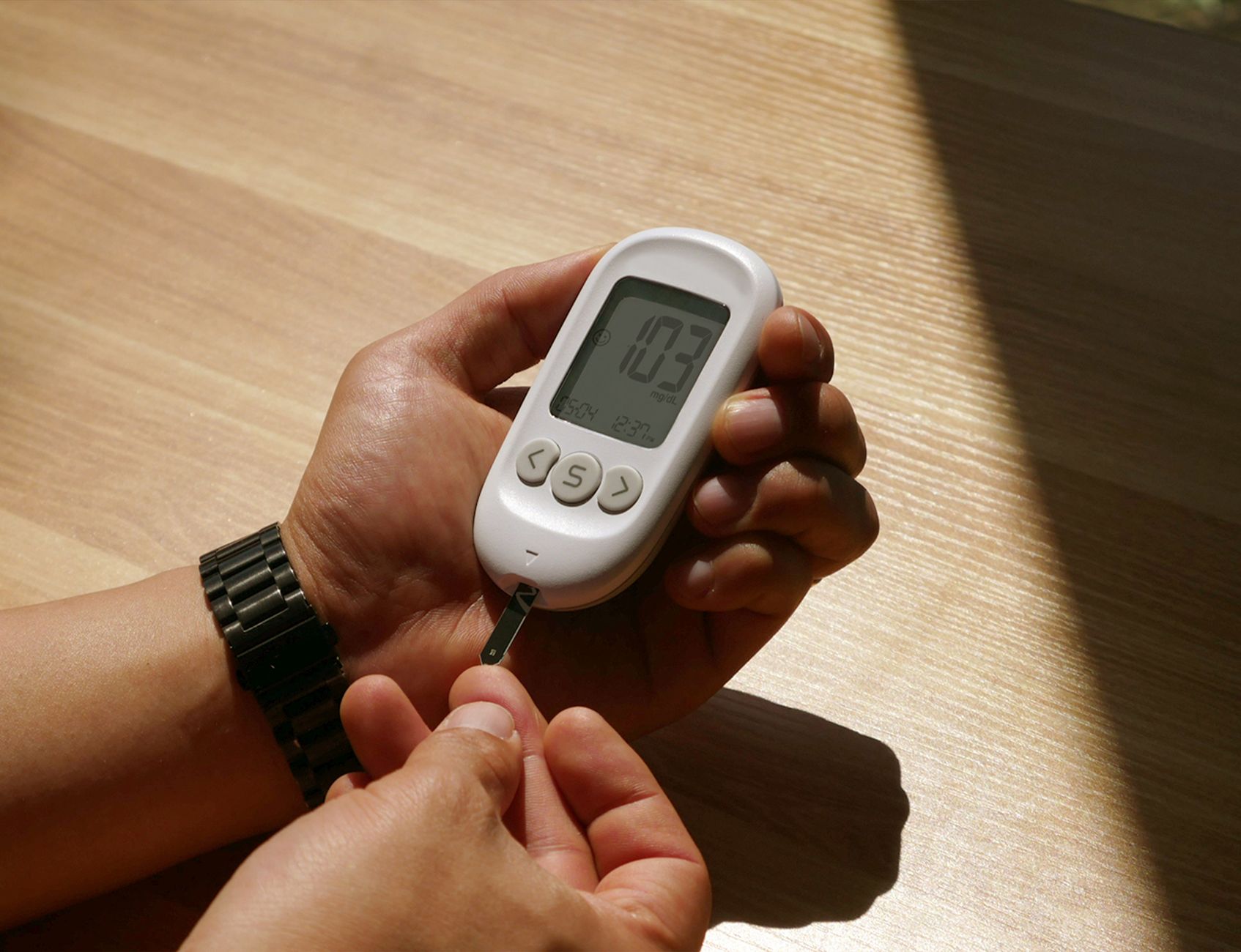
Measure your BP twice daily (morning and evening) for 3 days to establish a baseline. Choose a consistent quiet location. Use an AAMI/ESH validated oscillometric monitor. Record all readings.
Sit upright. Place one hand on your chest and one on your belly. Inhale deeply through your nose for 4 seconds, allowing the belly to rise. Exhale slowly through pursed lips for 6 seconds. Aim for 5–6 breaths per minute. This frequency optimally engages the baroreflex.
Extend your practice. Spend 5 minutes on diaphragmatic breathing, then shift to a mental body scan. Systematically bring attention from your toes to the crown of your head, releasing tension in each area. Optionally, introduce a silent mantra (e.g., "peace" or "one") to anchor focus.
Practice a full 15–20 minute session daily. Measure your BP immediately before and after. A post-session drop of 5–10 mmHg SBP is common. Track weekly averages to observe the cumulative trend. Consistency is more important than duration — 10 minutes daily is superior to 40 minutes three times weekly.
Do not stop or reduce prescribed antihypertensive medications without explicit guidance from your prescribing physician. Meditation lowers BP gradually; abrupt medication cessation can cause dangerous rebound hypertension.
Comparing Meditation Modalities for Blood Pressure Control
Not all meditation techniques are equally effective for hypertension. The following four modalities have the strongest clinical evidence. Choose one based on your patient's preferences, cognitive style, and lifestyle.
Transcendental Meditation (TM) — Mantra-based, standardized protocol
TM involves sitting comfortably with eyes closed for 20 minutes twice daily, silently repeating a personalized sound (mantra) to settle the mind. It has the most robust evidence base for cardiovascular outcomes, including a 48% reduction in composite CVD endpoints in the landmark NIH-funded trial by Schneider et al. BP reductions are typically 5–8 mmHg SBP.
Mindfulness-Based Stress Reduction (MBSR) — Body scan, sitting meditation, mindful yoga
MBSR is an 8-week group program developed by Jon Kabat-Zinn. It combines body scans, gentle yoga, and attention to present-moment experience. MBSR is particularly effective for reducing the BP reactivity to acute stress — meaning it blunts the spikes caused by emotional triggers and mental arithmetic stress tests in the lab.
Slow Breathing / Pranayama — Device-guided or paced breathing
Slow breathing at 5–6 breaths per minute causes immediate, mechanically mediated BP reductions. The slow respiratory rate increases intrathoracic pressure swings, enhancing venous return and activating the baroreflex. FDA-cleared devices like RESPeRATE use this principle. Post-dosing BP reductions of 5–10 mmHg are well-documented.
Zen Meditation (Zazen) — Structured sitting, breath counting
Zazen involves sitting in an upright posture, counting breaths from 1 to 10, and returning to 1 when the mind wanders. Long-term practitioners show reduced sympathetic outflow and lower baseline norepinephrine levels. While the evidence base is smaller than TM or MBSR, Zen shows excellent long-term adherence and sustained BP control.
Busting Common Myths About Meditation and Hypertension
Despite growing evidence, misconceptions persist. Here we separate fact from fiction based on current clinical data.
No. Meditation is an adjunctive lifestyle intervention. It can lower BP by 5–12 mmHg and may allow for dose reduction of medications under a physician's supervision, but it is not a substitute for prescribed antihypertensives. Abrupt discontinuation of medications like beta-blockers or clonidine can cause dangerous rebound hypertension or tachycardia.
Not exactly. While general relaxation lowers sympathetic tone, specific meditation techniques produce different hemodynamic effects. Mantra-based meditation and device-guided slow breathing have the most reproducible BP data. Passive relaxation (e.g., listening to music) has a smaller and less consistent effect on peripheral vascular resistance and baroreflex sensitivity.
Clinical trials consistently show that 10–20 minutes of daily practice produces statistically and clinically significant BP reductions. The dose-response curve plateaus beyond 40 minutes of daily practice for most individuals. Consistency across days, rather than duration of a single session, is the strongest predictor of long-term BP improvement.
Meditation produces an acute, post-session dip in BP that lasts 4–6 hours (similar to an exercise "afterdrop"). Chronic reduction in resting BP requires 8–12 weeks of consistent practice. The long-term effect is mediated by structural changes in the brain (increased cortical thickness in the insula) and improved vascular compliance, not just immediate relaxation.
Red Flags: When to Seek Medical Guidance
While meditation is safe for most adults, certain situations require immediate medical attention. Patients should be counseled to pause their meditation practice and consult a healthcare provider if any of the following occur.
If you experience chest pain, shortness of breath, severe headache, vision changes, or slurred speech at any point — even if you are meditating — call 911 immediately. Do not wait to "see if the meditation helps." These are signs of stroke or myocardial infarction.
FAQ: Meditation and Blood Pressure
How long does it take for meditation to lower blood pressure?
Acute reductions in SBP of 5–8 mmHg can be observed within 5–10 minutes after a single meditation session, driven by reduced sympathetic outflow and increased baroreflex sensitivity. A sustained reduction in resting (baseline) BP outside of meditation typically emerges after 8–12 weeks of consistent daily practice. The chronic effect is due to cumulative improvements in endothelial function and autonomic balance.
Can meditation cure hypertension?
No. Hypertension is a chronic, multifactorial condition. Meditation is a powerful lifestyle intervention that can lower BP and, in some cases, allow for medication dose reduction under medical supervision, but it is not a cure. Essential hypertension is driven by genetic predisposition, age, diet, and structural vascular changes — none of which are fully reversed by meditation.
Is Transcendental Meditation better than other forms for BP?
Transcendental Meditation has the strongest evidence base for hard cardiovascular outcomes, including reduced myocardial infarction, stroke, and all-cause mortality. However, when comparing solely BP reductions, MBSR and slow breathing produce equivalent or greater effect sizes in some meta-analyses. The best modality is the one the patient will adhere to consistently.
How should I measure my BP in relation to meditation?
To assess the acute effect, measure BP immediately before and after a 15–20 minute meditation session. To assess the chronic effect, measure your BP at the same times each day (morning before breakfast, evening before bed) and calculate weekly averages. Use a validated upper-arm monitor. Ensure 5 minutes of quiet rest before the measurement. Record all readings in a log.
Can meditation help with white-coat hypertension?
Yes. MBSR and slow breathing are particularly effective for white-coat hypertension and labile BP. A 2023 randomized trial found that 8 weeks of MBSR reduced in-office BP by an average of 10/5 mmHg in patients with confirmed white-coat hypertension, likely by attenuating the anticipatory stress response. Device-guided slow breathing for 5 minutes immediately before a clinic visit can also produce a measurable, temporary reduction.