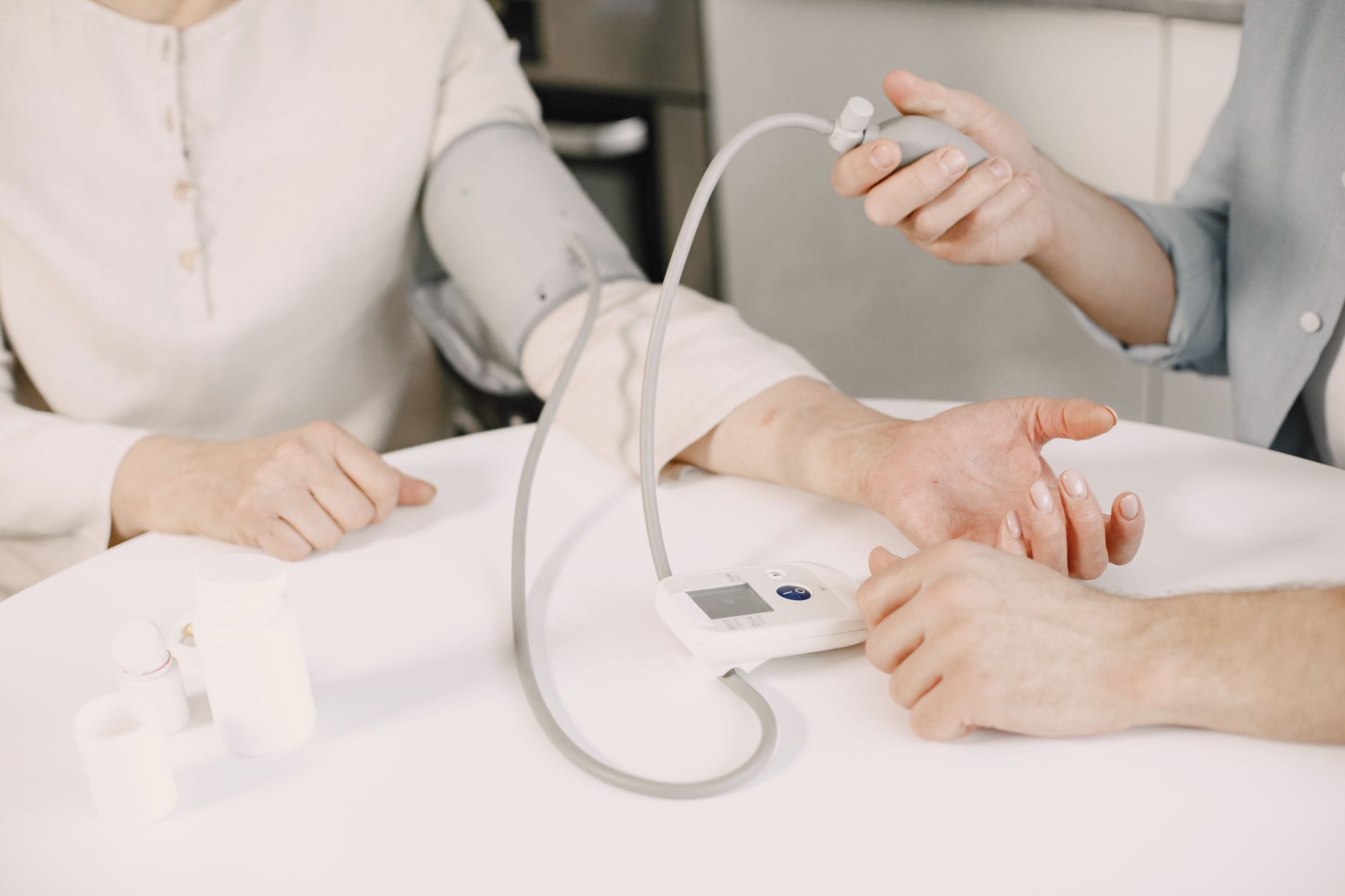
A pounding headache may be the first sign of dangerously elevated blood pressure. Learn how to tell the difference between a tension headache and a hypertensive crisis, when to seek emergency care, and how to lower your risk with evidence-based strategies.
- What Is a High Blood Pressure Headache?
- The Pathophysiology: Why Hypertension Triggers Head Pain
- Causes and Risk Factors
- Symptoms and Warning Signs — When to Act Fast
- Diagnosis: What the Numbers Mean
- Treatment and Management Strategies
- Prevention Through Lifestyle and Monitoring
- When to See a Doctor — Red Flags
- Common Myths About High Blood Pressure Headaches
- Frequently Asked Questions
What Is a High Blood Pressure Headache?
A high blood pressure headache — clinically referred to as a hypertensive headache — is a type of headache directly caused by elevated arterial pressure. Unlike tension headaches or migraines, these headaches typically occur only when blood pressure reaches severely elevated levels, most often defined as a systolic reading of ≥180 mmHg or a diastolic reading of ≥120 mmHg. This threshold is known as hypertensive urgency or hypertensive emergency, depending on whether end-organ damage is present.
The American Heart Association (AHA) and the American College of Cardiology (ACC) classify blood pressure into five stages: Normal (systolic <120 and diastolic <80), Elevated (120–129 / <80), Stage 1 Hypertension (130–139 / 80–89), Stage 2 Hypertension (≥140 / ≥90), and Hypertensive Crisis (≥180 / ≥120). Headaches are not a typical symptom of Stage 1 or Stage 2 hypertension — they are largely reserved for crisis-level elevations.
A 2021 systematic review in Current Pain and Headache Reports found that the prevalence of headache among patients with hypertensive urgency or emergency ranges from 22% to 52%, with the most common presentation being a bilateral, throbbing, occipital headache that may radiate forward. The pain is often described as "pounding" or "explosive" and is frequently accompanied by other symptoms such as visual disturbances, nausea, and chest discomfort.
A hypertensive headache is diagnosed when: (1) blood pressure is ≥180/120 mmHg, (2) headache is bilateral and throbbing, (3) headache onset coincides with BP elevation, and (4) headache resolves or significantly improves within 1–2 hours of BP reduction. The International Classification of Headache Disorders (ICHD-3) recognizes headache attributed to hypertensive urgency under code 10.3.1.
The Pathophysiology: Why Hypertension Triggers Head Pain
Understanding why high blood pressure causes headaches requires a look at the cerebral circulation. Under normal conditions, the brain maintains a constant blood flow through a process called cerebral autoregulation, which keeps perfusion stable across a range of mean arterial pressures — typically between 50 and 150 mmHg. When blood pressure rises above the upper limit of autoregulation, the protective vasoconstriction mechanism fails, and cerebral hyperperfusion occurs.
This sudden increase in cerebral blood flow leads to vasogenic edema — fluid leaking from dilated cerebral arterioles into the brain parenchyma. The resulting brain swelling stretches pain-sensitive structures in the meninges and blood vessel walls, triggering the throbbing, pounding quality that characterizes hypertensive headaches. The occipital region is particularly affected, likely due to the posterior circulation's vulnerability to pressure surges.
Additionally, elevated blood pressure activates the trigeminovascular system, releasing neuropeptides such as calcitonin gene-related peptide (CGRP) and substance P, which promote neurogenic inflammation and amplify pain signaling. This dual mechanism — mechanical stretching and neurogenic inflammation — explains why hypertensive headaches can be so intense and why they may persist even after the initial BP surge is controlled.
"The occipital headache of hypertensive crisis is not simply a symptom — it is a marker of cerebral autoregulatory failure and impending end-organ damage. Rapid recognition and treatment are essential to prevent stroke or hypertensive encephalopathy."
— AHA/ACC Guideline on Hypertension, 2022
Not all headaches in people with hypertension are "hypertensive headaches." Migraines and tension-type headaches are common in the general population and often co-occur with high blood pressure. The hallmark of a true hypertensive headache is its temporal correlation with severe BP elevation and its resolution with BP lowering — not simply the presence of head pain in a person who happens to have hypertension.
Causes and Risk Factors
A hypertensive headache does not occur in isolation — it is the result of a blood pressure surge that overwhelms the brain's autoregulatory capacity. Identifying the underlying cause is critical for both acute management and long-term prevention.
Acute Triggers of Hypertensive Crises — medications, substances, and conditions that cause sudden BP spikes
Common acute triggers include:
- Medication non-adherence — missing doses of antihypertensives (especially clonidine, beta-blockers, and ACE inhibitors) can cause rebound hypertension
- NSAIDs and decongestants — ibuprofen, naproxen, pseudoephedrine, and phenylephrine can raise BP by 5–15 mmHg
- Recreational substances — cocaine, methamphetamine, and excessive alcohol can precipitate severe vasoconstriction
- Monoamine oxidase inhibitors (MAOIs) — interaction with tyramine-rich foods (aged cheese, cured meats) can trigger hypertensive crisis
- Acute stress or pain — severe pain, anxiety, or panic attacks can cause transient BP surges
- Pheochromocytoma — a rare catecholamine-secreting tumor that causes episodic hypertension
Chronic Risk Factors — long-term conditions that increase susceptibility
Long-term risk factors for developing hypertension severe enough to trigger headache include:
- Uncontrolled primary hypertension — the most common underlying cause, especially in middle-aged and older adults
- Chronic kidney disease — renal dysfunction impairs sodium and fluid regulation, driving BP upward
- Diabetes mellitus — insulin resistance and diabetic nephropathy compound hypertensive risk
- Obesity (BMI ≥30) — excess adipose tissue increases sympathetic activation and renin-angiotensin system activity
- Sleep apnea — intermittent hypoxia triggers nocturnal BP surges and autonomic dysregulation
- High sodium intake — a diet rich in processed foods and added salt contributes to volume-dependent hypertension
Secondary Hypertension Causes — identifiable conditions that drive BP up
Secondary hypertension accounts for about 5–10% of cases and is more common in younger patients and those with resistant hypertension. Key causes include:
- Renal artery stenosis — fibromuscular dysplasia or atherosclerotic narrowing activates the renin-angiotensin system
- Primary aldosteronism (Conn's syndrome) — excess aldosterone causes sodium retention, hypokalemia, and high BP
- Thyroid disorders — both hyperthyroidism and hypothyroidism can elevate BP
- Cushing's syndrome — cortisol excess increases BP via mineralocorticoid receptor activation
- Coarctation of the aorta — a congenital narrowing that produces upper-extremity hypertension
Symptoms and Warning Signs — When to Act Fast
Recognizing the symptom profile of a hypertensive headache — and distinguishing it from benign headache types — can be lifesaving. The key is to assess the entire clinical picture, not just the head pain.
If your blood pressure is ≥180/120 mmHg and you have any of the following symptoms, call 911 or seek emergency care immediately. This is a hypertensive emergency — a life-threatening condition requiring immediate intravenous BP lowering.
How to differentiate a hypertensive headache from a migraine or tension headache
The table below summarizes key distinguishing features. However, always measure blood pressure in anyone presenting with a severe, new-onset, or unusual headache — this single step can be diagnostic.
| Feature | Hypertensive Headache | Migraine | Tension-Type Headache |
|---|---|---|---|
| Location | Bilateral, occipital, radiating forward | Unilateral (60%), throbbing, frontotemporal | Bilateral, band-like, bifrontal or occipital |
| Quality | Throbbing, pounding, "explosive" | Pulsating, moderate to severe | Pressing, tightening, non-pulsating |
| BP at onset | ≥180/120 mmHg | Usually normal or mildly elevated | Normal |
| Aura | No (visual symptoms from BP, not aura) | Yes in 25% (visual, sensory, speech) | No |
| Associated symptoms | Chest pain, SOB, confusion, visual loss | Nausea, photophobia, phonophobia | Mild nausea possible, no photophobia |
| Response to BP lowering | Resolves within 1–2 hours | No change | No change |
Diagnosis: What the Numbers Mean
The diagnosis of a hypertensive headache hinges on accurate blood pressure measurement and the temporal relationship between BP elevation and headache symptoms. A single reading of ≥180/120 mmHg in a patient with headache warrants immediate clinical attention.
Blood pressure classification and headache risk
The 2017 ACC/AHA blood pressure categories define the thresholds for hypertensive urgency and emergency. The table below shows the risk of headache at each stage.
| BP Category | Systolic (mmHg) | Diastolic (mmHg) | Headache Risk | Clinical Action |
|---|---|---|---|---|
| Normal | <120 | <80 | No increased risk | Recheck in 1 year |
| Elevated | 120–129 | <80 | No increased risk | Lifestyle modification |
| Stage 1 HTN | 130–139 | 80–89 | Rare (not typical) | Lifestyle + consider medication |
| Stage 2 HTN | ≥140 | ≥90 | Unusual unless severe | Medication indicated |
| Hypertensive Urgency | ≥180 | ≥120 | High (22–52%) | Oral BP lowering, urgent evaluation |
| Hypertensive Emergency | ≥180 | ≥120 | Very high, with end-organ damage | IV therapy, hospital admission |
Hypertensive urgency is defined as BP ≥180/120 mmHg without evidence of acute end-organ damage (no chest pain, no neurological symptoms, no vision loss). Hypertensive emergency is the same BP with evidence of target-organ injury (brain, heart, kidneys, eyes). A headache alone — if no other organ damage is present — may be classified as urgency, but the presence of any additional symptom raises the concern for emergency.
Diagnostic workup for suspected hypertensive headache
When a patient presents with headache and BP ≥180/120, the following evaluations are typically performed in the emergency or clinic setting:
- Serial BP measurements — taken in both arms, with proper cuff size and technique, repeated every 5–15 minutes
- Fundoscopic exam — to look for papilledema, retinal hemorrhages, or exudates (signs of hypertensive retinopathy)
- Basic metabolic panel — to assess serum creatinine, BUN, electrolytes (especially potassium for aldosteronism)
- Urinalysis — for proteinuria, hematuria, and casts (indicating renal involvement)
- ECG — to detect left ventricular hypertrophy, ischemia, or arrhythmia
- CT or MRI brain — if neurological symptoms are present, to rule out stroke, hemorrhage, or encephalopathy
- Echocardiogram — if chest pain or shortness of breath suggests cardiac involvement
Treatment and Management Strategies
The treatment of a hypertensive headache depends on whether it occurs in the context of hypertensive urgency (no end-organ damage) or hypertensive emergency (end-organ damage present). The goal is to lower BP gradually but substantially — a 25% reduction over the first 1–2 hours is typically recommended. Too-rapid lowering can cause cerebral hypoperfusion and stroke.
Goal: Lower BP to ≤160/100 within 2–4 hours using oral medications. Common options include clonidine (0.1–0.2 mg PO), captopril (25–50 mg PO), or labetalol (200–400 mg PO). Headache typically resolves as BP declines. Observe for 2–4 hours before discharge.
Goal: Lower BP ≤25% in the first hour using IV medications (nicardipine, labetalol, or sodium nitroprusside). Continuous BP monitoring, ICU admission often required. End-organ damage must be managed concurrently (e.g., stroke, encephalopathy, cardiac ischemia).
Step-by-step approach to managing a hypertensive headache at home — when to go to the ER
Dehydration can worsen hypertension and trigger headaches. In patients with mild BP elevation (140–159 / 90–99), drinking 500 mL of water and resting for 30 minutes may help bring BP down by 5–10 mmHg. However, this is not a substitute for medication in crisis situations.
Medication classes used for hypertensive emergencies
The choice of IV antihypertensive depends on the patient's comorbid conditions and the presence of end-organ damage. Common agents include:
- Nicardipine — IV calcium channel blocker; preferred for most hypertensive emergencies due to predictable dosing and minimal reflex tachycardia
- Labetalol — IV alpha/beta-blocker; safe in pregnancy and in patients with aortic dissection
- Sodium nitroprusside — potent vasodilator; reserved for refractory cases due to risk of cyanide toxicity with prolonged use
- Hydralazine — IV vasodilator; commonly used in hypertensive emergencies of pregnancy (pre-eclampsia)
- Esmolol — ultra-short-acting beta-blocker; useful in perioperative settings
Prevention Through Lifestyle and Monitoring
Preventing hypertensive headaches is fundamentally about keeping blood pressure under control — both in the short term and the long term. The AHA recommends the following evidence-based strategies to reduce BP and prevent crises.
The Dietary Approaches to Stop Hypertension (DASH) diet is the most extensively studied dietary pattern for lowering blood pressure. A 2023 meta-analysis of 25 randomized trials found that the DASH diet reduced systolic BP by an average of 11.4 mmHg and diastolic BP by 5.9 mmHg. Key components: low sodium (<1,500 mg/day), high potassium (fruits, vegetables, legumes), low saturated fat, and rich in whole grains.
Seven prevention strategies with the strongest evidence
- Home BP monitoring — Daily self-monitoring reduces BP by an average of 4.2/2.5 mmHg and improves medication adherence. Use a validated monitor and keep a log to share with your doctor.
- Sodium restriction — Reducing sodium intake to <1,500 mg/day lowers systolic BP by 5–8 mmHg in hypertensive individuals, according to the ACC/AHA.
- Potassium supplementation — Increasing dietary potassium (via bananas, spinach, sweet potatoes, avocados) offsets sodium's pressor effect. Aim for 3,500–4,700 mg/day from food sources.
- Regular aerobic exercise — At least 150 minutes/week of moderate-intensity activity (brisk walking, cycling, swimming) reduces systolic BP by 5–8 mmHg.
- Weight loss — Each kilogram of weight lost reduces systolic BP by approximately 1 mmHg. A 5–10% body weight reduction yields clinically meaningful BP improvements.
- Limiting alcohol — No more than 1 drink/day for women and 2 drinks/day for men. Excessive alcohol consumption is a direct cause of reversible hypertension.
- Stress management — Mindfulness-based stress reduction (MBSR) and cognitive behavioral therapy have been shown to reduce systolic BP by 4–6 mmHg in randomized trials.
Recommended home BP monitoring schedule
For individuals with hypertension, the AHA recommends:
- Twice daily: once in the morning (before medication, after emptying bladder) and once in the evening (before dinner)
- Take 2–3 readings at each session, 1 minute apart, and record the average
- Bring your monitor to clinic visits for validation against an office-grade device
- Notify your healthcare provider if readings are consistently ≥135/85 at home (which correlates with ≥140/90 in the office)
"The single most effective intervention to prevent hypertensive headaches is achieving and maintaining a target BP of <130/80 mmHg. This dramatically reduces the risk of hypertensive crises and their associated neurological complications."
— 2022 AHA/ACC Guideline on Hypertension Management
When to See a Doctor — Red Flags
Knowing when to seek medical care for a headache in the context of high blood pressure can mean the difference between a routine adjustment of medication and a life-saving intervention. The following situations warrant prompt evaluation.
It is important to note that most headaches in people with hypertension are not caused by the hypertension itself. A 2020 study in the Journal of Hypertension found that only 3% of all headaches in hypertensive patients were directly attributable to elevated BP. The vast majority are tension-type headaches, migraines, cervicogenic headaches, or medication-overuse headaches. Always evaluate the full clinical picture before attributing head pain to blood pressure.
Common Myths About High Blood Pressure Headaches
Misconceptions about the relationship between blood pressure and headaches are widespread — and some can be dangerous. Here are the most common myths, evaluated against current evidence.
Hypertension is called the "silent killer" precisely because it produces no symptoms in the vast majority of cases — until it causes a crisis or end-organ damage. More than 90% of people with Stage 1 or Stage 2 hypertension have no headaches or other warning signs. Relying on headache as a barometer for BP leads to undertreatment and preventable strokes, heart attacks, and kidney damage.
Epistaxis (nosebleed) can occur with hypertensive crisis, but it is not a reliable indicator. A 2022 review in Otolaryngology — Head and Neck Surgery found that only 15–25% of emergency department visits for epistaxis were associated with hypertension. Most nosebleeds are caused by dry mucosa, trauma, or anticoagulant use — not by elevated BP. However, if a nosebleed occurs with a severe headache and BP ≥180/120, it warrants emergency evaluation.
Caffeine has a complex relationship with hypertension. Acute caffeine consumption can raise BP by 5–10 mmHg for 1–2 hours in non-habitual users, but chronic caffeine tolerance substantially blunts this effect. Moreover, caffeine is a recognized adjunct in migraine treatment (often combined with acetaminophen or NSAIDs). For hypertensive urgency, however, caffeine should be avoided because of its potential to exacerbate BP surges. The nuance: context matters — daily caffeine intake is safe for most people with controlled hypertension, but during a crisis, it is best avoided.
This is accurate — and critically important. Rapid BP lowering (more than 25% in the first hour) in the setting of a hypertensive emergency can precipitate cerebral hypoperfusion, leading to stroke or blindness. The brain's autoregulatory system, already compromised by chronic hypertension, cannot adapt quickly to a sudden drop in pressure. This is why guidelines recommend controlled, gradual reduction — typically a 10–15% reduction in the first hour, with the goal of reaching ≤160/100 over 2–6 hours. Never attempt to "crash" your BP with extra doses of medication at home.
Frequently Asked Questions
Can high blood pressure cause a headache every day?
No — daily headaches are not characteristic of hypertension. In fact, chronic daily headache in the setting of elevated BP should prompt investigation for other causes: medication-overuse headache (from taking too much pain reliever), tension-type headache, cervicogenic headache, or sleep apnea. Chronic hypertension alone rarely produces daily head pain. If you have both daily headaches and high BP, see your doctor for a comprehensive evaluation — do not assume the BP is the cause.
Can my blood pressure medication itself cause headaches?
Yes — several classes of antihypertensives are associated with headache as a side effect, though this is less common than the alternative (headache from uncontrolled BP). Specific agents to note:
- Calcium channel blockers (amlodipine, nifedipine) — can cause headache due to vasodilation, especially in the first 2–4 weeks of therapy
- Hydralazine — can induce headache and flushing as part of its vasodilatory effect
- Alpha-blockers (doxazosin, terazosin) — may cause orthostatic hypotension and subsequent headache from cerebral hypoperfusion
- Clonidine — headache can occur as a rebound effect when the medication is discontinued abruptly
If you suspect your BP medication is causing headaches, do not stop it on your own — discuss dose adjustment or a switch with your prescriber.
Does salt really trigger headaches in people with high blood pressure?
Yes — acute high sodium intake can cause a transient rise in BP within 30–60 minutes, particularly in salt-sensitive individuals. For people with chronic hypertension, a high-sodium meal (e.g., a fast-food burger and fries containing 2,000–3,000 mg of sodium) can raise systolic BP by 5–15 mmHg. In someone with already elevated BP, this may push them over the threshold for headache. The mechanism is volume expansion and increased vascular resistance. The 2021 WHO guideline recommends <2,000 mg/day of sodium for adults, while the AHA advises <1,500 mg/day for those with hypertension.
Can a hypertensive headache cause a stroke?
Yes — a hypertensive headache is often a precursor or accompanying symptom of stroke, particularly hemorrhagic stroke. When BP reaches ≥180/120, the risk of intracerebral hemorrhage increases substantially because the elevated pressure can rupture small penetrating arteries in the brain. Hypertensive emergency with headache also raises the risk of ischemic stroke through mechanisms involving endothelial damage and thromboembolism. This is precisely why any headache at this BP level requires immediate medical assessment — it may be the only warning sign before a catastrophic event.
Is it safe to take ibuprofen or acetaminophen for a hypertensive headache?
It depends on the BP level. Acetaminophen (paracetamol) is generally safer than NSAIDs for patients with hypertension because it does not raise BP or interact significantly with most antihypertensives. Ibuprofen, naproxen, and other NSAIDs can raise systolic BP by 3–8 mmHg and can blunt the effect of ACE inhibitors, ARBs, and diuretics. In the setting of a hypertensive crisis (≥180/120), no OTC pain reliever is appropriate — the treatment is to lower BP, not to mask the headache. Taking ibuprofen in this context can worsen the crisis by further elevating BP.