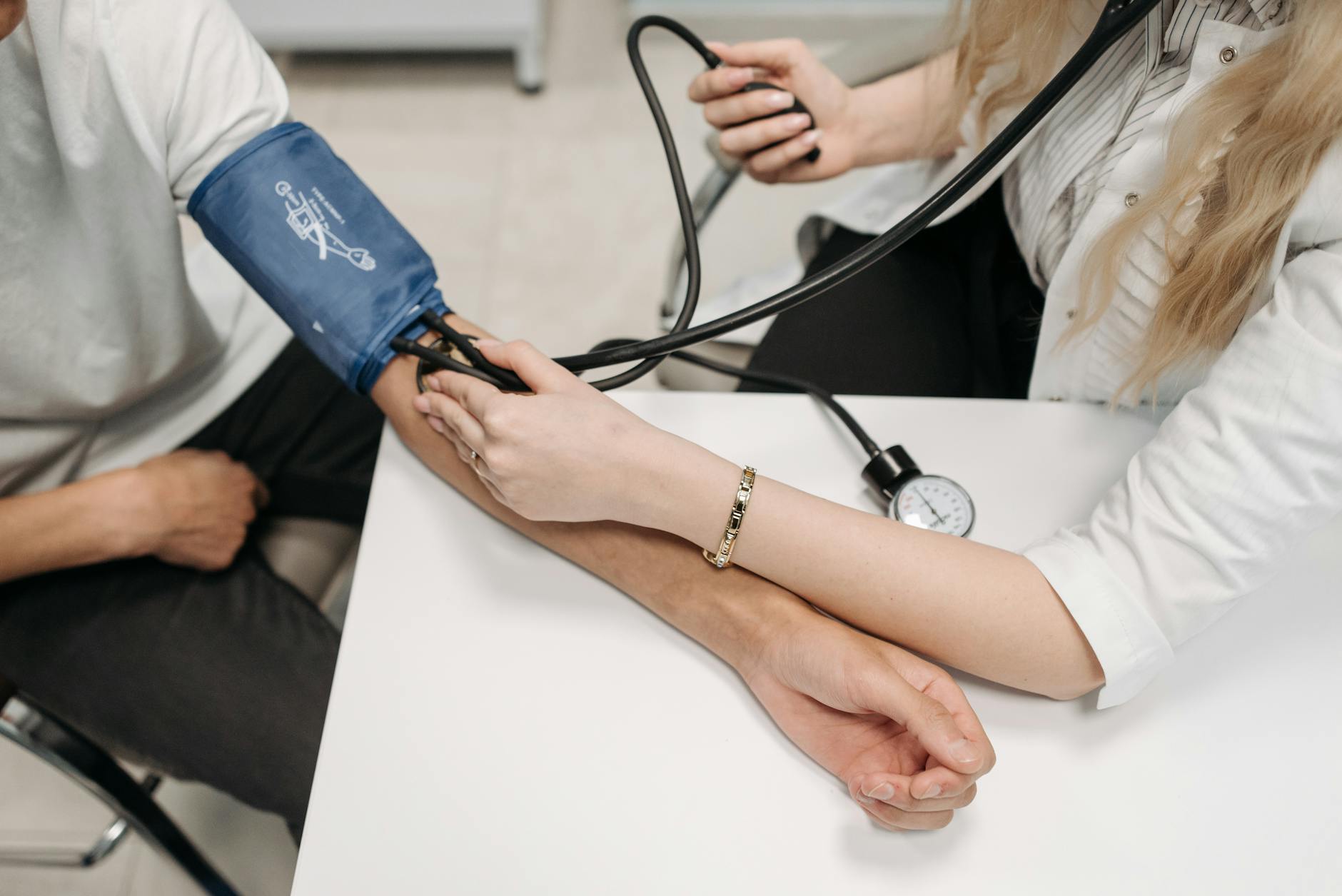
Shortness of breath in someone with hypertension is more than a symptom — it is a clinical signal that the cardiovascular system is under strain. This article unpacks the mechanisms linking high blood pressure and dyspnea, explains how to distinguish chronic from emergent causes, and offers evidence-based strategies for management.
- The Hypertension–Dyspnea Connection
- 6 Key Causes of Shortness of Breath in Hypertension
- Red Flags: When Shortness of Breath Requires Immediate Care
- How Doctors Diagnose the Cause of Dyspnea in Hypertension
- Treatment Approaches: Managing Both Blood Pressure and Breathing
- Evidence-Based Lifestyle Strategies to Improve Symptoms
- Common Myths About High Blood Pressure and Breathing
- Frequently Asked Questions
The Hypertension–Dyspnea Connection: How High Blood Pressure Affects Your Breathing
Shortness of breath (dyspnea) is not a direct symptom of uncomplicated hypertension. Most people with stage 1 or stage 2 high blood pressure feel perfectly fine at rest. However, when hypertension persists untreated or is poorly controlled, it gradually damages the heart and blood vessels — and it is this damage that ultimately makes breathing difficult.
The link operates through two primary pathways: left ventricular hypertrophy and diastolic dysfunction. Chronic high pressure forces the left ventricle — the heart's main pumping chamber — to work harder. Over years, the muscle thickens and stiffens. This stiffened chamber cannot relax properly between beats, leading to elevated filling pressures that back up into the lungs. Fluid then leaks into the pulmonary interstitium, triggering the sensation of breathlessness, especially during exertion or when lying flat.
A 2024 meta-analysis published in the Journal of the American College of Cardiology found that every 10 mmHg increase in systolic blood pressure above 120 mmHg was associated with a 15% increase in the risk of dyspnea-related hospitalization over 10 years. The relationship is dose-dependent: the higher the pressure, the greater the likelihood of breathlessness.
"In patients with hypertension, new-onset shortness of breath should be considered a potential sign of heart failure until proven otherwise, particularly in those with diabetes or coronary artery disease."
— 2023 ESC Guidelines for the Management of Hypertension
6 Key Causes of Shortness of Breath in People With High Blood Pressure
Not all breathlessness in hypertensive patients comes from the heart. Here are the six most common etiologies, ranked by clinical priority.
1. Heart Failure with Preserved Ejection Fraction (HFpEF)
HFpEF is the most common cardiovascular cause of dyspnea in hypertensive patients, especially women over 60. The heart pumps normally (ejection fraction ≥ 50%), but the stiff left ventricle cannot fill adequately. This raises pulmonary venous pressure, causing fluid to accumulate in the lungs. Patients report breathlessness when climbing stairs, bending over, or lying flat. Diagnosis requires echocardiography with tissue Doppler imaging.
2. Heart Failure with Reduced Ejection Fraction (HFrEF)
In HFrEF (ejection fraction ≤ 40%), the left ventricle is weak and dilated. Blood backs up into the pulmonary circulation, and the lungs become congested. In addition to dyspnea, patients often have fatigue, lower-extremity edema, and a persistent cough. Hypertension is a major risk factor, but this form is more common in younger patients with concurrent coronary artery disease. Treatment includes beta-blockers, ACE inhibitors, ARNIs, and SGLT2 inhibitors.
3. Pulmonary Hypertension Secondary to Left Heart Disease
Chronic left atrial hypertension — often from diastolic dysfunction — can cause secondary pulmonary arterial hypertension. This means the blood vessels in the lungs constrict and remodel, further increasing the work of breathing. Patients may develop right heart strain over time. This condition is classified as Group 2 pulmonary hypertension by the WHO. Treatment focuses on the left heart, not the pulmonary arteries.
4. Obstructive Sleep Apnea (OSA)
OSA is both a cause and consequence of hypertension. Repeated airway collapse during sleep leads to nocturnal hypoxia, sympathetic activation, and surges in blood pressure. Patients often wake gasping for air, have daytime somnolence, and report breathlessness during the day. Treating OSA with CPAP can lower systolic BP by 5–10 mmHg on average and significantly improve dyspnea.
5. Medication Side Effects
Certain antihypertensive medications can cause or worsen dyspnea. Beta-blockers (especially non-selective ones like propranolol) can exacerbate bronchospasm in patients with underlying reactive airway disease. Calcium channel blockers can cause peripheral edema, which some patients misinterpret as breathlessness. Doxazosin and other alpha-blockers may cause fluid retention. Always review the medication list when evaluating new dyspnea.
6. Hypertensive Emergency with Pulmonary Edema
A hypertensive emergency (SBP ≥ 180 mmHg or DBP ≥ 120 mmHg with acute target-organ damage) can present with flash pulmonary edema. The sudden surge in afterload causes acute left ventricular decompensation, flooding the alveoli. This is a life-threatening condition requiring immediate intravenous antihypertensive therapy and usually hospitalization.
Red Flags: When Shortness of Breath Requires Immediate Medical Attention
Distinguishing chronic, stable dyspnea from an acute emergency is critical. The following symptoms warrant a call to 911 or an immediate trip to the emergency department.
If you have high blood pressure and develop any of the above symptoms, do not wait for your primary care appointment. Do not drive yourself to the hospital. Call emergency services. Delayed treatment for acute pulmonary edema or hypertensive emergency can lead to permanent heart damage, respiratory failure, or death.
How Doctors Diagnose the Cause of Dyspnea in Hypertension
When a patient with hypertension presents with shortness of breath, the workup must differentiate cardiac from pulmonary from other causes. A systematic approach is standard.
| Test | What It Evaluates | Key Diagnostic Threshold |
|---|---|---|
| Echocardiogram with Doppler | Left ventricular hypertrophy, diastolic function, ejection fraction, valve function | E/e' ratio > 14 suggests elevated filling pressures |
| B-type Natriuretic Peptide (BNP) | Ventricular wall stress | BNP < 35 pg/mL: HF unlikely; > 125 pg/mL: HF possible |
| Chest X-ray | Pulmonary congestion, cardiomegaly, pleural effusion | Kerley B lines indicate interstitial edema |
| Pulmonary Function Tests | Airflow obstruction or restriction | FEV1/FVC < 0.70 suggests COPD |
| 6-Minute Walk Test | Functional capacity and oxygen desaturation | < 300 meters indicates reduced exercise capacity |
| Polysomnography | Sleep-disordered breathing | AHI ≥ 15 events/hour: moderate-severe OSA |
The diagnostic process typically follows a logical sequence. First, a clinician takes a detailed history: When did the breathlessness start? Is it worse on exertion or when lying down? Does it wake you at night? These questions help differentiate cardiac dyspnea (orthopnea, paroxysmal nocturnal dyspnea) from pulmonary dyspnea (cough, wheezing, smoking history).
Next, a physical exam focuses on jugular venous distention, lung crackles, heart murmurs or gallops (S3, S4), and lower-extremity edema. An elevated JVP with crackles is highly specific for heart failure. An S4 gallop is common in hypertensive heart disease with diastolic dysfunction.
If the initial evaluation is inconclusive, an exercise stress echocardiogram can unmask dyspnea that occurs only during exertion. This is particularly useful in patients with HFpEF who have normal findings at rest.
Treatment Approaches: Managing Both Blood Pressure and Breathing
The treatment of dyspnea in hypertension depends entirely on the underlying cause. However, several evidence-based principles apply across most scenarios.
First-Line Medications for Hypertension-Related Dyspnea
ACE Inhibitors / ARBs
Lisinopril, losartan, sacubitril/valsartan. Reduce afterload, regress left ventricular hypertrophy, improve diastolic function. Multiple RCTs show dyspnea improvement within 4–8 weeks.
SGLT2 Inhibitors
Dapagliflozin, empagliflozin. Reduce heart failure hospitalizations by 30% in patients with or without diabetes. Improve dyspnea scores in HFpEF and HFrEF.
Beta-Blockers
Essential in HFrEF but may worsen dyspnea in patients with asthma or COPD. Use cardioselective agents (metoprolol, bisoprolol) and start low, go slow.
Calcium Channel Blockers
Amlodipine, nifedipine. Effective for BP but can cause peripheral edema. If edema worsens breathlessness, switch to a non-dihydropyridine (diltiazem) or add an ACE inhibitor.
Non-Pharmacologic Interventions
Weight loss of 5–10% reduces blood pressure and improves dyspnea by lowering metabolic demand and reducing pulmonary capillary wedge pressure. Dietary sodium restriction to < 2,000 mg/day decreases fluid overload. Continuous positive airway pressure (CPAP) for patients with coexisting OSA lowers BP and improves nocturnal dyspnea. Structured exercise training improves functional capacity and breathlessness scores.
Treatment by Subtype
Evidence-Based Lifestyle Strategies to Improve Both Blood Pressure and Breathing
Lifestyle interventions are not optional — they are foundational. The 2024 ACC/AHA Hypertension Guidelines emphasize that lifestyle modification can lower systolic BP by 5–15 mmHg, reduce dyspnea severity, and decrease heart failure progression.
The DASH Diet for Dyspnea
The Dietary Approaches to Stop Hypertension (DASH) diet is the most studied dietary pattern for BP reduction. For patients with dyspnea, it offers an additional benefit: reduced dietary sodium decreases fluid retention and pulmonary congestion. Key components include:
- Sodium ≤ 1,500–2,000 mg/day — the single most impactful dietary change for reducing breathlessness from fluid overload
- Potassium ≥ 4,700 mg/day — from vegetables, fruits, legumes (unless contraindicated by CKD or potassium-sparing diuretics)
- Moderate alcohol — ≤ 1 drink/day for women, ≤ 2 for men (alcohol can worsen both BP and dyspnea)
- Weight management — as little as 5% weight loss improves dyspnea scores in patients with obesity-hypoventilation syndrome
Exercise: Safe Protocols for Breathless Patients
Many patients with hypertension-related dyspnea fear exercise because it triggers breathlessness. However, graded exercise training reduces dyspnea by improving skeletal muscle efficiency and cardiac output. The recommended protocol is:
- Frequency: 3–5 days per week
- Intensity: 40–60% of heart rate reserve — use the "talk test" (should be able to speak but not sing)
- Duration: Start at 10–15 minutes, increase by 2–3 minutes per week up to 30–45 minutes
- Mode: Walking, stationary cycling, or water-based exercise (reduces orthopnea)
Do not begin a new exercise program if your blood pressure is ≥ 160/100 mmHg or if you have had a change in your shortness of breath pattern within the past 2 weeks. Consult your physician first. Exercise during a hypertensive emergency or acute heart failure exacerbation can be dangerous.
Common Myths About High Blood Pressure and Breathing
Misconceptions about the relationship between hypertension and dyspnea can delay treatment or lead to dangerous self-management.
Uncomplicated hypertension rarely causes breathlessness. If you have high BP and feel short of breath, it likely means your heart has been affected or another condition is present. Do not dismiss it as "just the BP."
Taking additional antihypertensive medication without a provider's guidance can cause hypotension, fainting, and kidney injury. If you're breathless, seek evaluation — do not self-adjust your medications.
Partially true. A hypertensive crisis (≥ 180/120 mmHg) can cause acute pulmonary edema. However, chronic, well-controlled BP can still cause dyspnea if heart failure has developed. The damage is cumulative, not solely dependent on current readings.
Patients with heart failure and dyspnea can have normal oxygen saturation at rest early in the disease. Normoxia does not rule out cardiac dyspnea. Exercise oximetry or a 6-minute walk test may be needed to detect desaturation.
Frequently Asked Questions
Can anxiety cause both high blood pressure and shortness of breath?
Yes, acute anxiety can cause transient elevations in blood pressure and feelings of breathlessness. However, persistent hypertension and chronic dyspnea are rarely due to anxiety alone. It is more common for an underlying cardiac or pulmonary condition to be misattributed to anxiety, especially in women. Always rule out organic causes first. A panic attack does not cause orthopnea or paroxysmal nocturnal dyspnea — those are heart failure red flags.
What is orthopnea and why does it matter?
Orthopnea is breathlessness that occurs when lying flat and improves when sitting up. It is a classic symptom of heart failure caused by hypertension. When a patient lies down, venous return to the heart increases. If the left ventricle cannot handle the volume, blood backs up into the lungs. Orthopnea is often an early sign of decompensation. If you need 2 or more pillows to sleep comfortably, discuss this with your doctor.
How quickly can blood pressure treatment improve breathing?
In patients with hypertensive pulmonary edema, breathing improves within minutes to hours after starting intravenous therapy. For chronic dyspnea from HFpEF or HFrEF, improvement is gradual. Most patients notice a reduction in breathlessness within 2–4 weeks of starting an ACE inhibitor or SGLT2 inhibitor. Full benefit may take 3–6 months as the heart undergoes reverse remodeling. Patience and adherence are essential.
Should I buy a home pulse oximeter if I have hypertension and dyspnea?
A home pulse oximeter can be useful for tracking trends, but it has important limitations. A normal reading does not rule out heart failure. Conversely, a reading that drops below 92% when walking or during sleep warrants evaluation. If you use one, check your oxygen level after a 1-minute walk test. A drop of ≥ 3% is clinically significant. Discuss your readings with your healthcare team rather than making decisions based on numbers alone.
Can losing weight cure my shortness of breath from hypertension?
Weight loss of 5–10% can significantly reduce blood pressure and improve dyspnea, but it is rarely a complete "cure" if heart remodelling has already occurred. The heart muscle changes from chronic hypertension are partially reversible but take time. The most realistic framing: weight loss reduces the workload on the heart, lowers pulmonary pressures, and improves symptom control. It is a powerful adjunct to medication, not a replacement.
Disclaimer: This article is for informational purposes only and does not constitute medical advice. Always consult a qualified healthcare provider before making changes to your treatment, diet, or lifestyle.